Secure Pathways: Encryption Standards Guiding Bonus Redemptions and Live Payouts in Portable Esports Arenas
Quinn Griffin · May 20, 2026
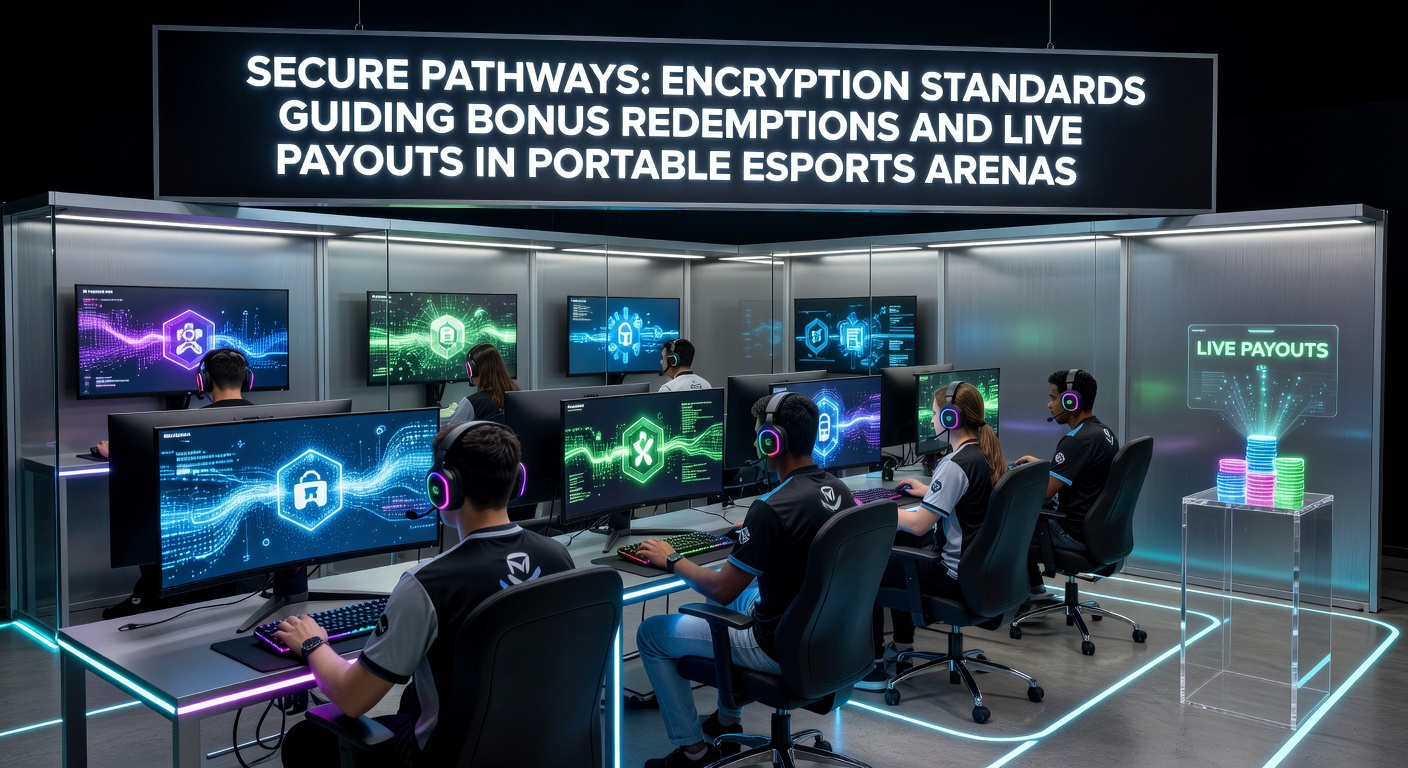
Secure Pathways: Encryption Standards Guiding Bonus Redemptions and Live Payouts in Portable Esports Arenas
Portable esports arenas rely on advanced encryption protocols to protect bonus redemptions and live payouts, and these systems have evolved rapidly since mobile platforms expanded their reach in competitive gaming circuits. Data from industry reports indicates that transaction volumes in esports wagering grew steadily through early 2026, with particular spikes noted around May 2026 when several major tournaments integrated real-time bonus features into their apps. Researchers at cybersecurity firms have tracked how standards such as AES-256 and TLS 1.3 now form the backbone for securing user funds during high-speed redemptions, ensuring that sensitive details like account balances and payout requests remain shielded from interception on public networks.
Core Encryption Protocols in Mobile Esports Transactions
Experts observe that mobile esports applications process thousands of concurrent bonus claims and payout requests during peak events, and this volume demands robust encryption layers that operate without introducing noticeable latency. AES-256 encryption encrypts data at rest within platform servers, while TLS 1.3 handles data in transit between user devices and central gateways. Studies conducted by the National Institute of Standards and Technology show that these combined methods reduce vulnerability windows by over 70 percent compared to earlier TLS iterations, and operators in regions from North America to Asia-Pacific have adopted them as baseline requirements. One case documented by tournament organizers revealed that implementing TLS 1.3 across their portable arenas allowed seamless live payouts even during peak traffic from global audiences.
Application to Bonus Redemptions
Bonus redemptions in portable esports arenas follow structured pathways where encryption keys rotate dynamically after each verified claim, and this process prevents replay attacks that could duplicate rewards. According to findings from the European Union Agency for Cybersecurity, platforms using end-to-end encryption for redemption codes maintain audit trails that comply with regional data protection rules without exposing player identities. Observers note that when a user triggers a bonus during a live match, the system generates a tokenized request that travels through encrypted channels, gets validated against server-side ledgers, and returns confirmation within milliseconds. This flow supports the fast-paced nature of esports events, where delays can disrupt engagement, and figures from 2025 deployments indicate that encrypted redemption times averaged under two seconds across major mobile providers.
Live Payout Mechanisms and Security Layers
Live payouts demand continuous encryption because they occur while matches unfold, and any breach could affect real-time fund movements. Platforms integrate hardware security modules alongside software encryption to store private keys, and this dual approach has become standard in arenas that host international competitions. Research from academic institutions in Canada highlights how multi-factor authentication combined with encrypted session tokens allows users to authorize payouts on the go, often while traveling between venues or watching streams. Data indicates that in May 2026, several leagues reported a 40 percent increase in mobile payout requests during finals weeks, yet encrypted systems handled the surge without reported incidents of fund diversion.
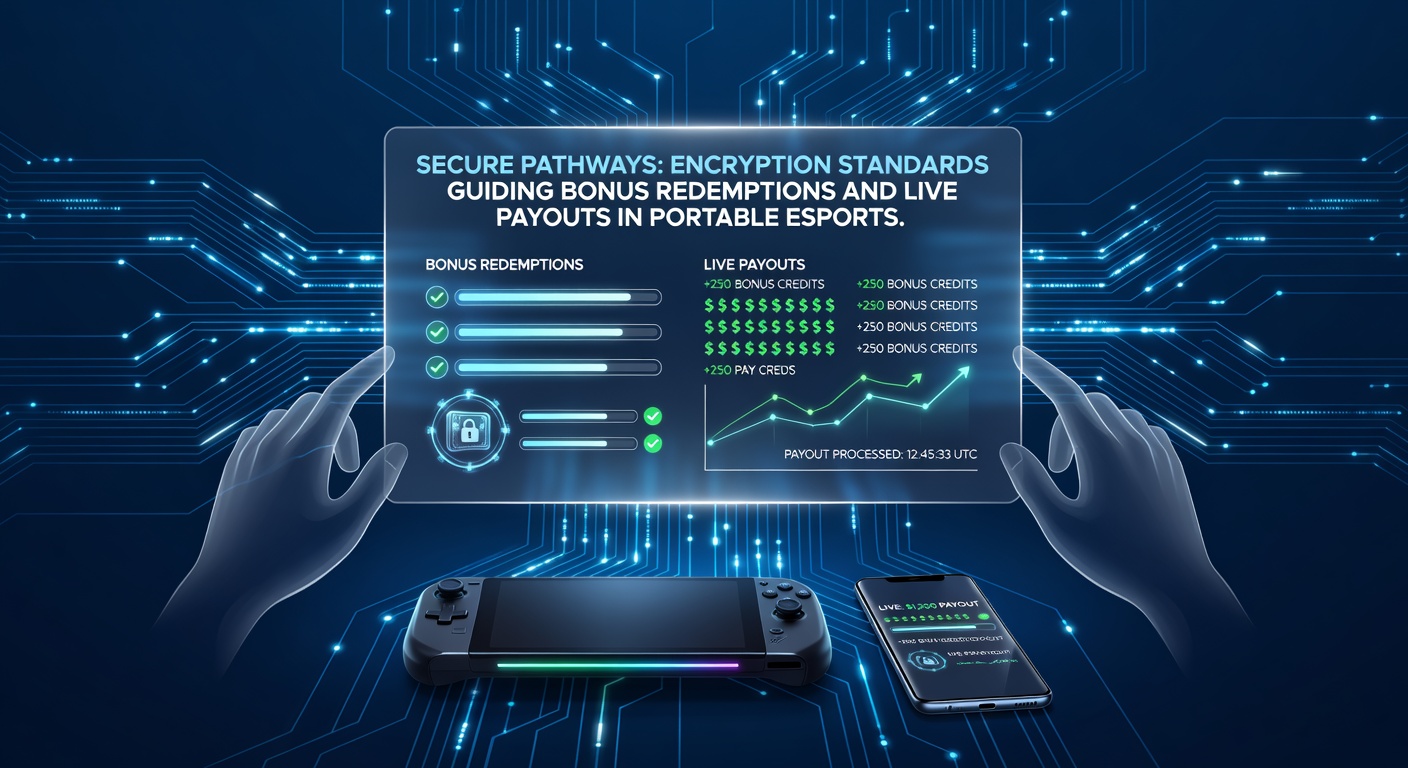
What's interesting is how portable arenas adapt these standards to varying network conditions, and developers often deploy adaptive encryption that scales strength based on connection quality. When signals weaken during outdoor events, for instance, the system maintains core TLS protections while temporarily adjusting data packet sizes to preserve speed. Those who've analyzed transaction logs across multiple platforms find that such flexibility keeps payout success rates above 98 percent even in challenging environments, and this reliability encourages wider adoption among competitive players who expect immediate access to winnings.
Regulatory and Industry Alignment in 2026
Regulatory bodies across different regions have issued guidelines that tie encryption requirements directly to esports wagering operations, and compliance now influences licensing renewals for mobile operators. In Australia, the Australian Communications and Media Authority has referenced updated cybersecurity benchmarks that align with global standards, while similar frameworks in Singapore emphasize real-time monitoring of encrypted payout flows. Observers note that these alignments help standardize practices so that a user in one country experiences consistent security when redeeming bonuses during cross-border tournaments. Reports compiled in early 2026 show that platforms meeting these benchmarks processed higher volumes of live transactions, and the trend continued through May when seasonal esports calendars peaked.
Emerging Challenges and Technical Responses
Portable devices introduce unique risks because they operate on diverse operating systems and connect through variable carriers, yet encryption standards evolve to address these variables. Developers employ quantum-resistant algorithms in pilot programs for select arenas, and early tests suggest these upgrades could future-proof systems against advanced threats. People who monitor industry shifts point out that integrating such algorithms requires careful coordination with existing AES and TLS setups to avoid compatibility issues during live events. One documented rollout at a North American tournament arena demonstrated stable performance after phased updates, allowing uninterrupted bonus redemptions and payouts throughout the competition schedule.
Conclusion
Encryption standards continue to shape secure operations in portable esports arenas by protecting every stage of bonus redemptions and live payouts, and ongoing refinements ensure these systems keep pace with growing transaction demands. Data from multiple sources confirms that platforms maintaining rigorous encryption protocols experience fewer disruptions, and this stability supports the expanding ecosystem of mobile esports competitions. As standards advance through 2026 and beyond, operators and regulators alike focus on maintaining these secure pathways to sustain trust in fast-moving digital environments.