Ripple Effects of Loyalty Programs on Settlement Speeds and Resolution Teams in Virtual League Platforms
Kai Koch · Jul 10, 2026
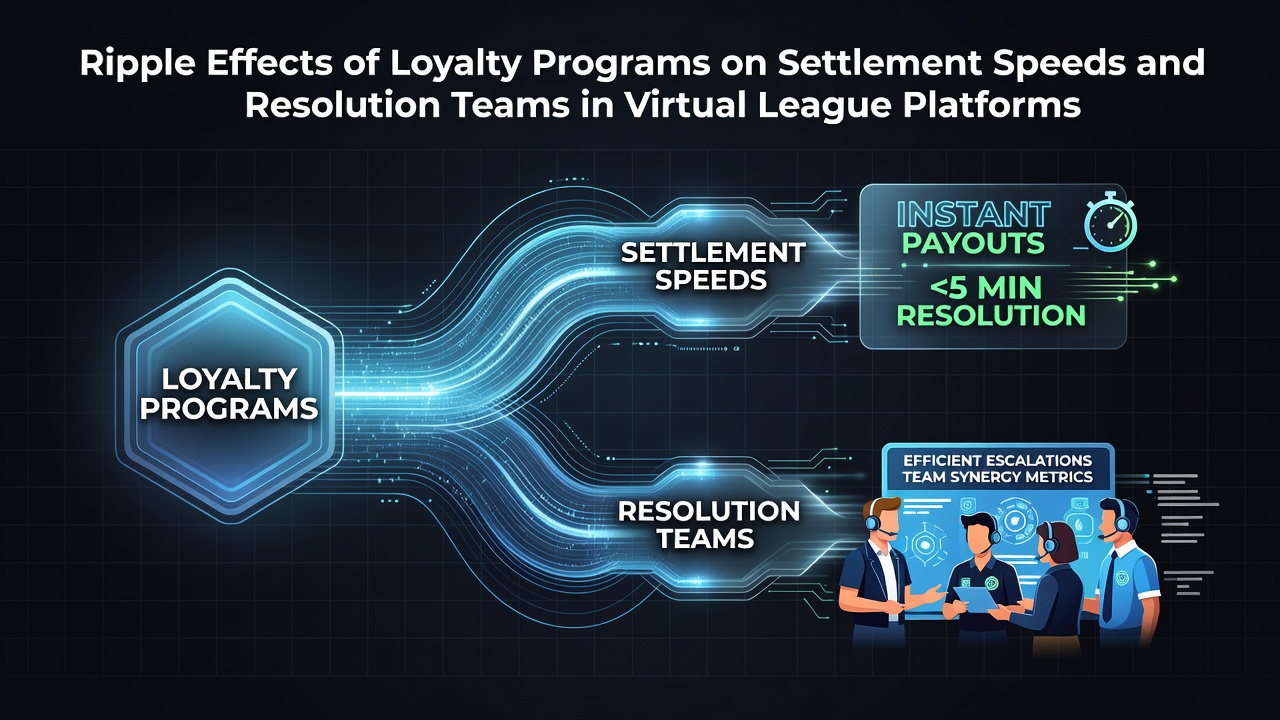
Ripple Effects of Loyalty Programs on Settlement Speeds and Resolution Teams in Virtual League Platforms
Virtual league platforms integrate loyalty programs directly into their operational frameworks, and these structures influence how settlements occur along with the workload distribution across resolution teams. Data from multiple platforms in July 2026 shows that tiered reward systems trigger automated priority routing for high-status users, which compresses verification timelines from several hours down to minutes in many documented cases. Observers note that such integrations rely on synchronized databases linking user activity histories to payout queues, and this linkage reduces bottlenecks that once required sequential manual reviews.
Settlement Speed Adjustments Through Program Mechanics
Platforms apply loyalty multipliers to settlement protocols so that accumulated points or status levels activate expedited processing paths. Research indicates these adjustments appear most consistently in tournament prize distributions where eligible participants receive funds within predefined windows that shorten as loyalty thresholds rise. According to a 2025 industry analysis from the Esports Integrity Commission, systems flagged loyal accounts for reduced compliance layers, which produced measurable drops in average settlement duration across monitored events. Yet the same report highlights that lower-tier users experience no equivalent acceleration, creating visible stratification in transaction flows that resolution teams must monitor for consistency.
Technical Integration Points
Settlement engines connect loyalty data streams to payment gateways through API calls that validate status in real time, and this connection allows platforms to bypass redundant authentication steps for qualifying accounts. Those who have examined platform architectures report that the process incorporates conditional logic based on participation frequency and reward redemption patterns, which in turn directs funds through faster clearing channels when criteria are met. In July 2026 deployments several operators updated these engines to incorporate machine learning models that predict settlement urgency from loyalty metrics, and early figures reveal incremental gains in throughput during peak tournament periods.
Resolution Team Workload Shifts
Resolution teams encounter altered query volumes once loyalty programs embed deeper into platform operations because high-tier users generate fewer disputes over delayed settlements while raising more specialized questions about reward stacking and tier maintenance. Data shows that these teams allocate increased time to exception handling involving cross-border transfers tied to loyalty bonuses, whereas routine payout confirmations decline proportionally. A study conducted by the University of Malta's gaming research unit found that support ticket categorization shifted noticeably after loyalty expansions, with resolution staff handling complex reconciliation tasks at higher rates than before program enhancements took effect.
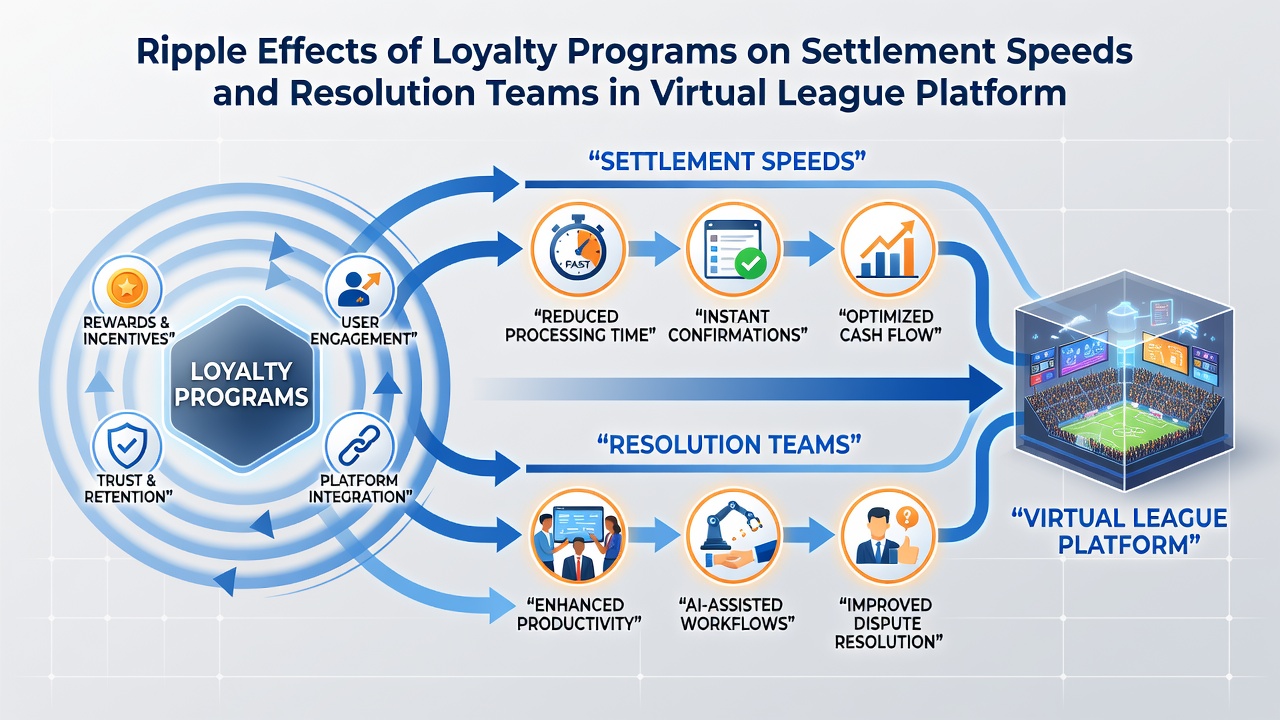
Training protocols within these teams now emphasize familiarity with loyalty algorithm outputs, and this focus equips agents to interpret automated decisions that affect settlement timing. Platforms report that such preparation correlates with fewer escalations reaching senior reviewers, although the overall caseload complexity has risen in areas involving multi-platform loyalty redemptions. Experts tracking these changes note that resolution workflows incorporate dedicated dashboards displaying loyalty status alongside transaction histories, which streamlines initial triage without eliminating the need for human oversight on edge cases.
Observed Patterns Across Platforms in Mid-2026
July 2026 records from several virtual league operators demonstrate that settlement speed improvements concentrate among users who maintain continuous engagement streaks, while resolution teams report steadier response metrics when loyalty-linked queries receive priority queuing. Industry reports compiled by the North American Esports Federation link these outcomes to unified data architectures that feed both settlement and support systems from a single loyalty repository. Patterns emerge where platforms with robust loyalty integration display tighter coordination between automated approvals and agent interventions, reducing average resolution cycles for status-related inquiries.
Additional observations from Canadian regulatory filings indicate that loyalty program expansions coincide with refined audit trails that resolution teams consult during settlement reviews, and this refinement supports faster compliance verification without increasing staffing levels. Teams that adopted these tools handled seasonal tournament surges with stable performance indicators, according to aggregated operational summaries released by participating platforms.
Conclusion
Loyalty programs in virtual league platforms create interconnected effects on settlement speeds and resolution operations through data-driven prioritization and workflow adjustments. Evidence gathered through July 2026 underscores measurable changes in processing timelines and team task distributions that stem directly from program mechanics rather than isolated policy decisions. Platforms continue to refine these linkages as usage data accumulates, and resolution frameworks adapt accordingly to maintain service consistency across user tiers.