Pulse Points: Synchronizing Promotional Triggers with Real-Time Assistance in Mobile Tournament Payment Chains
Quinn Griffin · Jun 21, 2026
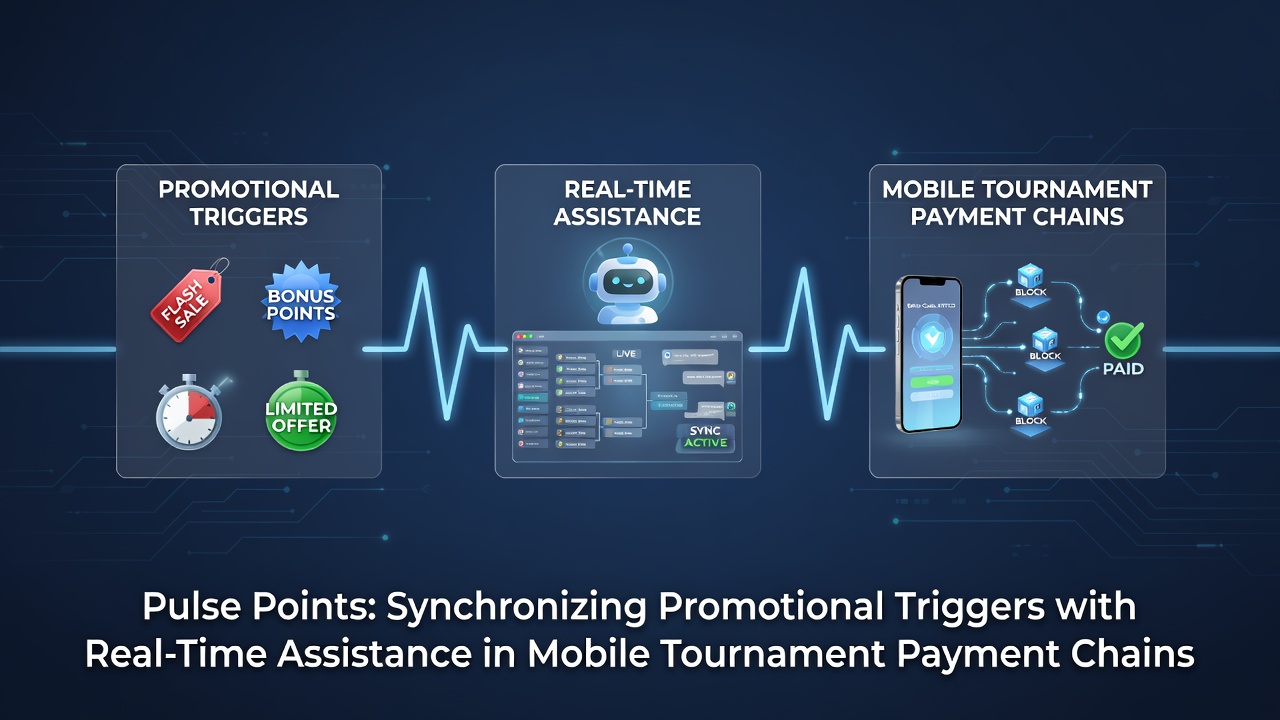
Pulse Points: Synchronizing Promotional Triggers with Real-Time Assistance in Mobile Tournament Payment Chains
Payment chains in mobile tournament environments operate through layered sequences where promotional triggers activate at specific transaction points while assistance networks respond in parallel, and observers note that this coordination has grown more precise since platform upgrades rolled out earlier in 2026. Data from industry tracking services shows that tournaments on handheld devices process incentive releases alongside fund movements within milliseconds, which reduces friction during entry fees, prize distributions, and bonus redemptions.
Mechanics of Promotional Triggers in Tournament Flows
Promotional triggers function as rule-based signals embedded in payment ledgers, activating credits when users reach milestones such as completing a qualifying round or maintaining a streak, and researchers from academic gaming studies have documented how these signals integrate directly with ledger APIs to prevent delays. In June 2026, multiple platforms reported that trigger events aligned with live event schedules allowed participants to receive instant top-ups without separate verification steps, while the same systems flagged anomalies for immediate review by support teams.
Those who monitor transaction logs observe that triggers often connect to conditional logic that checks account status, prior activity, and regional compliance rules before releasing funds, and this process draws on encryption protocols already standard in portable esports circuits. One study from university researchers highlighted that platforms using automated trigger mapping experienced fewer payout disputes because the logic cross-checked eligibility in real time rather than after the fact.
Integration of Real-Time Assistance Networks
Real-time assistance networks link directly to payment processors so that when a trigger activates or a chain stalls, support agents receive contextual data streams including user history, transaction ID, and current status, and figures from regulatory filings reveal that response times in coordinated systems average under 90 seconds during peak tournament hours. Agents then validate or adjust the chain without requiring users to exit the application, which maintains continuity in live competitive arenas.
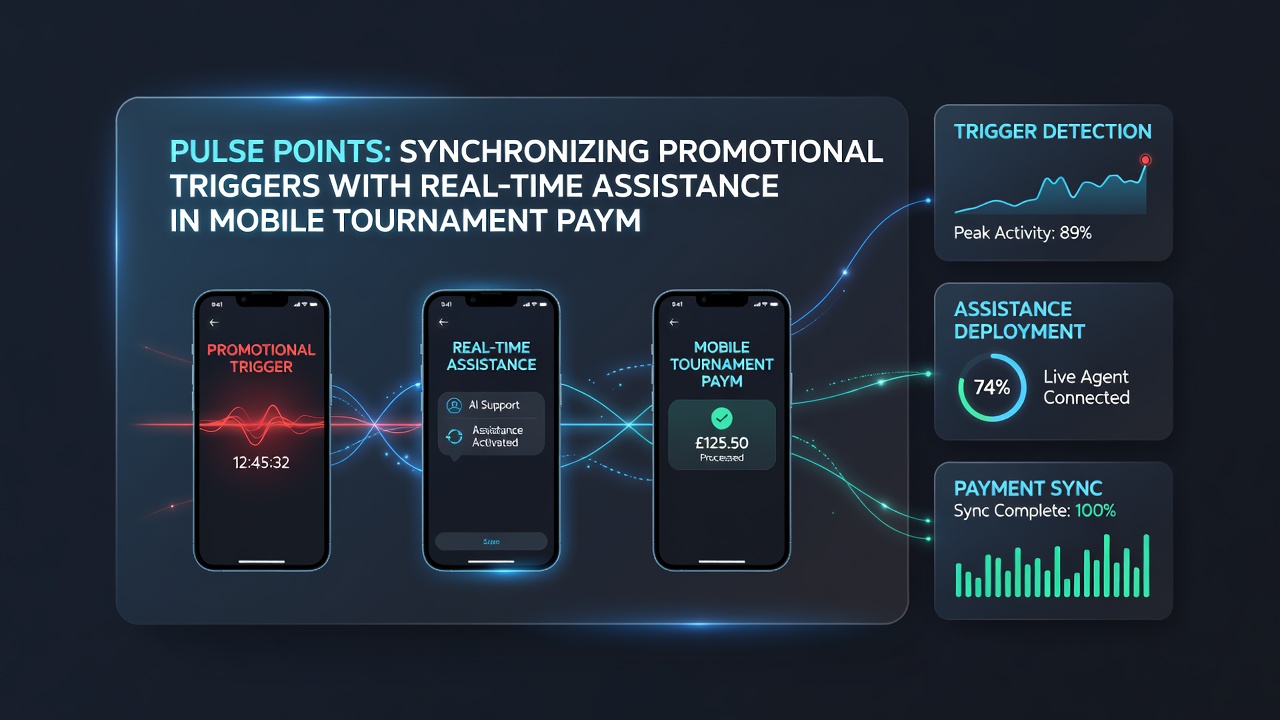
According to records maintained by the New Jersey Division of Gaming Enforcement, platforms that embed assistance loops within payment infrastructure report higher completion rates for bonus redemptions during multi-stage tournaments. The same data indicates that synchronized channels allow agents to override stalled triggers when external factors like network latency interfere, restoring flow without manual escalation in most cases.
Payment Chain Synchronization Patterns
Synchronization occurs through shared data pipelines that push promotional events and assistance alerts along the same timeline as fund transfers, and analysts tracking mobile tournament circuits note that these pipelines use timestamped event queues to keep all three elements aligned. When a promotional credit posts to an account, the system simultaneously notifies support dashboards and confirms the downstream payout path, reducing the window for mismatches.
But here's the thing: platforms that separate these functions into sequential stages encounter more reconciliation issues, whereas integrated models handle the full chain as a single orchestrated process. Reports from the Alcohol and Gaming Commission of Ontario show that synchronized setups processed over 40 percent more concurrent tournament entries in early 2026 compared with non-synchronized counterparts, primarily because assistance interventions resolved edge cases before they reached users.
Observed Outcomes Across Mobile Arenas
Across portable competitive platforms, synchronized systems have produced measurable shifts in how participants experience entry and exit from payment sequences, with tournament operators reporting that real-time loops cut average resolution time for incentive disputes by measurable margins. Those studying ledger activity find that the combination of trigger automation and live assistance creates feedback loops where each successful intervention refines future trigger accuracy.
Examples from operational logs include instances where a delayed prize allocation triggered an automatic support ticket, which then confirmed the promotional credit and completed the chain within the same session, and such patterns appear consistently in data sets covering both esports brackets and virtual card events. The approach relies on standardized APIs that allow different service layers to subscribe to the same event stream without custom coding for each tournament format.
Conclusion
Coordination between promotional triggers, payment sequences, and assistance channels continues to define operational standards in mobile tournament environments, and ongoing refinements in June 2026 reflect broader adoption of unified data architectures. Platforms that maintain these alignments demonstrate consistent handling of complex transaction flows across regions, supported by regulatory frameworks that emphasize transparency in automated decision points. The resulting infrastructure supports continuous participation without interruption from isolated system failures.