Patterns in Player Engagement: How Varied Deposit Methods Affect Support Response Times During Poker Events
Quinn Griffin · Jul 12, 2026
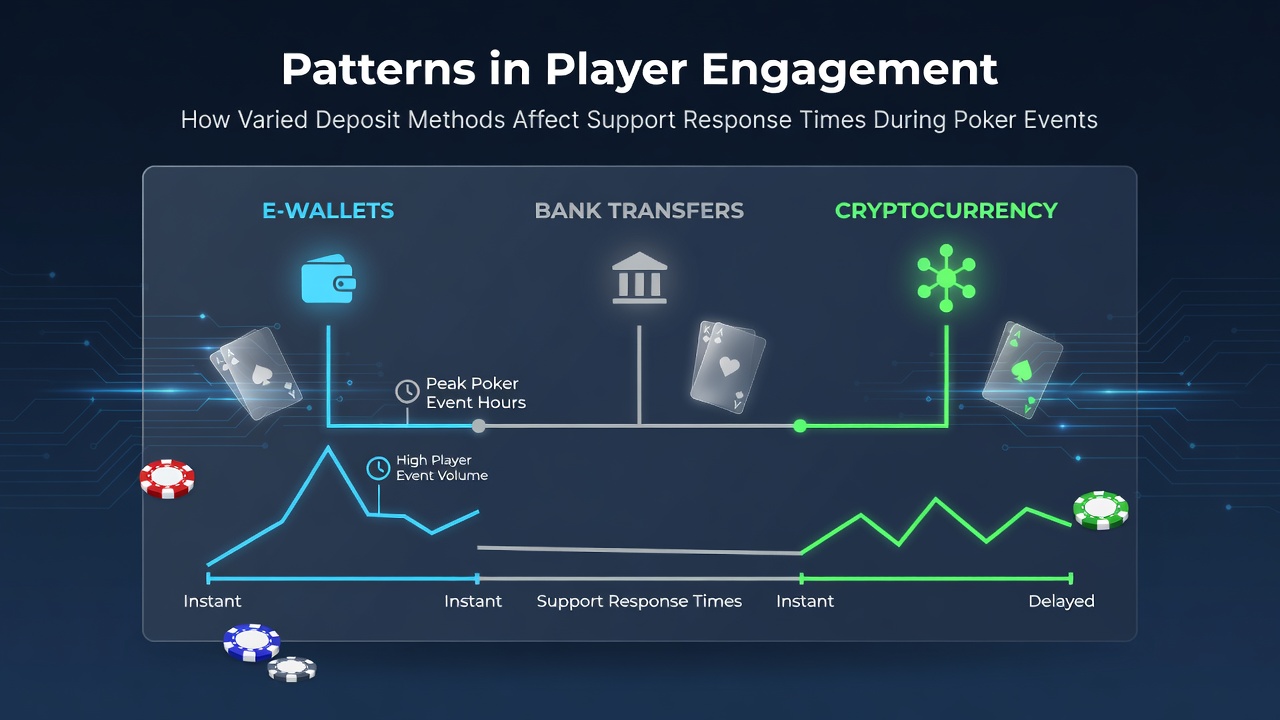
Patterns in Player Engagement: How Varied Deposit Methods Affect Support Response Times During Poker Events
Platform data from major online poker operators reveals distinct patterns where deposit method selection correlates with variations in customer support response times, particularly during high-volume tournament periods, and these patterns influence how players maintain engagement across sessions. Credit card deposits, e-wallet transfers, cryptocurrency options, and bank wire methods each trigger different verification sequences that support teams must address, creating measurable differences in wait times when event traffic peaks.
Deposit Method Categories and Their Operational Flows
Operators segment deposit methods into categories based on processing speed and verification requirements, with credit and debit cards often completing instant authorizations while bank transfers require manual checks that extend timelines. E-wallets such as those integrated through third-party processors reduce some friction because they maintain pre-verified user profiles, yet cryptocurrency deposits introduce additional layers involving blockchain confirmations that support staff monitor in real time. Researchers tracking transaction logs across multiple sites note that these differences become pronounced when thousands of players simultaneously enter events, as automated systems flag anomalies more frequently on slower methods.
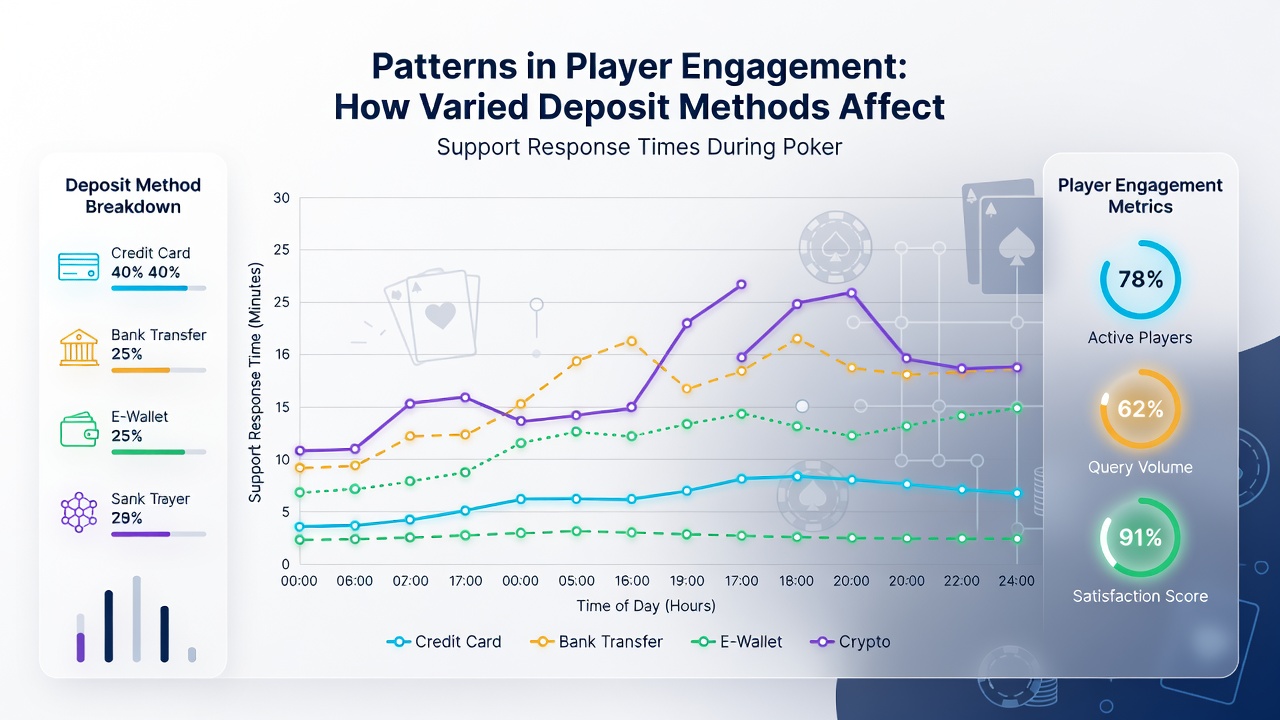
Support teams coordinate with payment processors through dedicated channels that prioritize certain deposit types during live tournaments, and data collected in 2025 shows average response times ranging from under two minutes for card-based issues to over fifteen minutes for wire-related queries. This coordination happens because platforms route tickets according to risk profiles assigned at the deposit stage, allowing faster methods to bypass initial review queues while others enter specialized review streams.
Engagement Patterns During Peak Tournament Windows
Player retention metrics demonstrate that engagement levels stay higher when support resolves deposit concerns quickly, especially in multi-day poker events where participants need uninterrupted access to funds for rebuys and side games. Those who select instant deposit options tend to complete more hands per hour because fewer interruptions occur from pending verifications, and operators record this through session duration statistics that climb steadily when response times fall below five minutes. In contrast, players relying on slower methods show temporary drops in activity while awaiting confirmations, though many return once issues clear.
July 2026 schedules include expanded online festival calendars that increase overall transaction volume by an estimated 30 percent compared with prior years, according to industry tracking from the American Gaming Association. Platforms prepare by adjusting staffing models around deposit method distribution, since historical logs indicate that events featuring mixed international fields generate higher proportions of wire and crypto activity that require extended handling. Observers note these preparations help stabilize response metrics even as player counts rise.
Support Response Time Variations Across Methods
Analysis of ticket resolution data indicates that e-wallet deposits generate the shortest average support interactions because pre-linked accounts trigger fewer compliance flags, whereas bank transfers often involve additional documentation requests that stretch conversations across multiple exchanges. Cryptocurrency support cases cluster around confirmation delays tied to network congestion, and teams equipped with real-time blockchain monitors resolve these faster than traditional wire issues. Figures from Canadian provincial gaming reports compiled in early 2026 reveal that platforms offering hybrid support models achieve more consistent response times across all methods during tournament surges.
Engagement drops appear most noticeable when response times exceed ten minutes, prompting some players to pause participation until resolutions arrive, yet recovery rates remain strong once funds become available. Researchers at academic institutions studying digital gaming behaviors have documented these cycles through anonymized platform data, highlighting how deposit choice functions as an early predictor of support load distribution.
July 2026 Event Implications and Platform Adjustments
Upcoming July 2026 poker events coincide with broader platform upgrades that include enhanced API connections between deposit processors and support dashboards, allowing agents to view transaction histories without switching systems. These adjustments address patterns observed in previous festival periods where certain methods created bottlenecks that affected overall player satisfaction scores. Data shared through the Responsible Gambling Council shows operators increasingly rely on predictive staffing algorithms calibrated to deposit method forecasts.
Players who diversify deposit methods across sessions sometimes experience mixed response profiles, yet aggregate engagement remains stable when at least one fast option stays active. Platform reports indicate that such diversification correlates with steadier participation rates through extended events, as users avoid total reliance on any single slower channel.
Conclusion
Patterns emerging from transaction and support records demonstrate clear linkages between deposit method selection and response time distributions during poker events, with faster options generally supporting sustained engagement through reduced friction points. As July 2026 approaches, operators continue refining these systems based on accumulated operational data, producing measurable improvements in how varied payment flows integrate with assistance networks across tournament environments. These developments reflect ongoing adaptation to player behavior documented across multiple reporting sources.