Lattice of Rewards: Exploring Synchronization Between Activation Cues, Fund Pathways, and Aid Channels in Mobile Tournament Ecosystems
Kai Koch · Jun 17, 2026
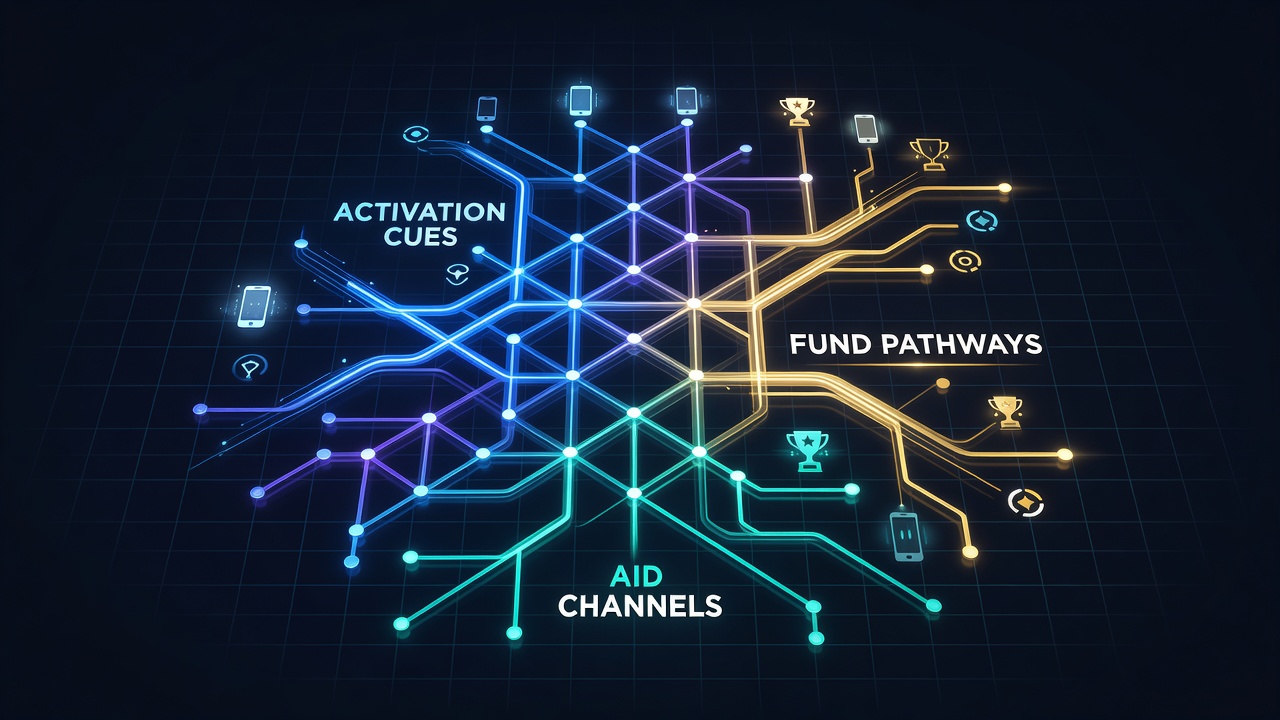
Lattice of Rewards: Exploring Synchronization Between Activation Cues, Fund Pathways, and Aid Channels in Mobile Tournament Ecosystems
Observers note that mobile tournament ecosystems rely on tightly coordinated systems where activation cues trigger specific responses across fund pathways and aid channels, creating what amounts to a lattice of interconnected operations that keep competitions running smoothly, and data from industry reports shows these links have grown more sophisticated by June 2026 as platforms handle larger volumes of live events across esports and skill-based contests.
Activation cues function as the entry points in these structures, taking the form of in-app notifications, achievement milestones, or time-sensitive prompts that signal users to engage with particular tournament features, while researchers have documented how these cues align with backend processes to initiate reward distributions without delays that could disrupt player momentum during critical match phases.
Mapping Activation Cues to Broader Tournament Operations
Studies indicate that effective cue synchronization depends on real-time data matching between user activity logs and tournament rulesets, so when a player completes a qualifying round the system automatically flags eligibility for bonus credits or entry upgrades, and this process draws from algorithms refined through multiple platform iterations that now incorporate predictive elements to anticipate peak engagement windows in June 2026 schedules filled with overlapping regional leagues.
One analysis of tournament data streams revealed that cues tied directly to performance metrics reduce friction in reward claiming, allowing seamless transitions into fund allocation stages where digital wallets update balances almost instantly after verification completes.
Fund Pathways and Their Integration Points
Fund pathways operate as the transfer mechanisms that move value between participant accounts, prize pools, and external payment processors, connecting activation events to actual disbursements through encrypted channels that comply with regional standards, and evidence from transaction monitoring shows these pathways have incorporated layered validation steps to handle high-frequency movements common in mobile formats.
Platforms coordinate these routes by embedding timing protocols that match cue triggers with settlement windows, which prevents bottlenecks during multi-stage events where cumulative rewards build across several days of competition, while figures from payment analytics providers highlight a measurable uptick in processed volumes coinciding with expanded summer tournament calendars.
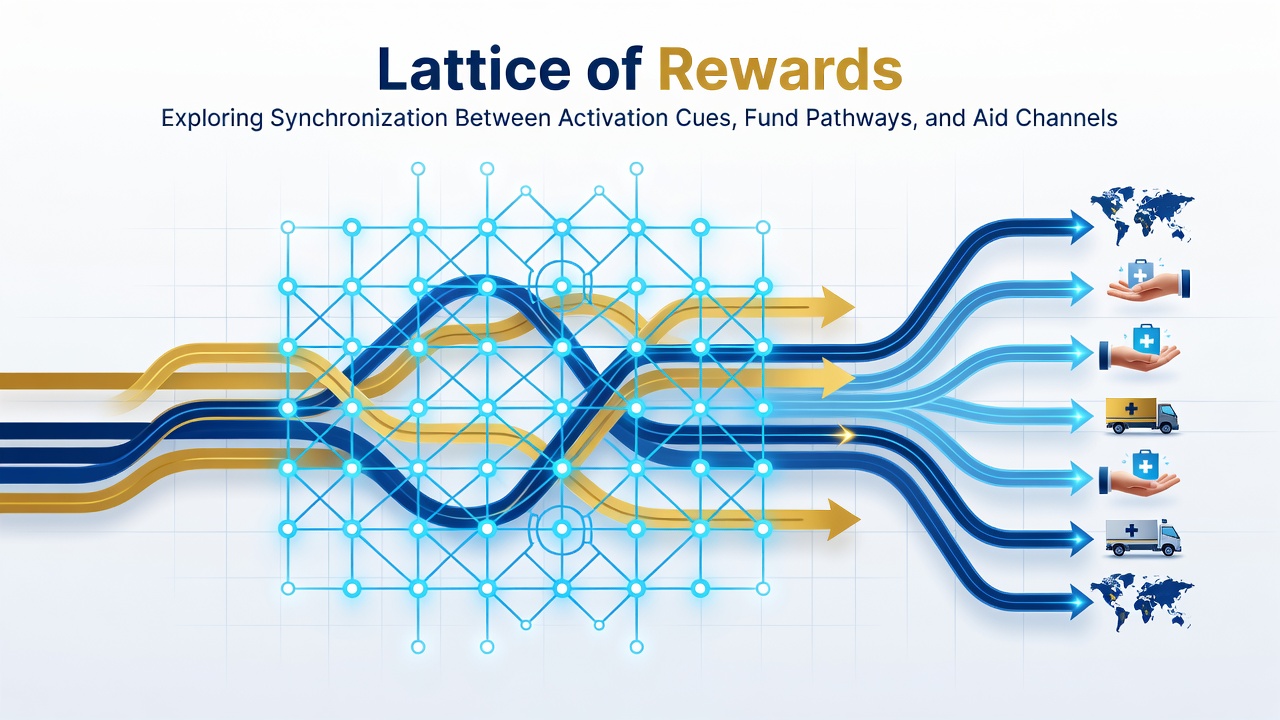
Observers point out that integration with aid channels further strengthens pathway reliability, since support interventions can resolve flagged transactions before they stall prize releases or bonus activations, creating feedback loops that maintain overall lattice stability across diverse device environments and network conditions.
Role of Aid Channels in Maintaining Synchronization
Aid channels encompass the support infrastructure that monitors, assists, and resolves issues arising within activation and fund processes, ranging from automated chat responses to dedicated agent interventions that verify identities or adjust mismatched entries, and reports compiled by gaming oversight bodies demonstrate how these channels now interface directly with core tournament engines for faster resolution times.
According to findings published through the Responsible Gambling Council, synchronized aid responses correlate with higher completion rates in mobile competitions because they address discrepancies in real time rather than allowing them to cascade into broader delays, and this holds particular relevance during June 2026 periods when event density increases across portable platforms serving global audiences.
Experts tracking system performance describe cases where aid teams receive automated alerts from cue failures or pathway anomalies, enabling proactive outreach that restores flow without requiring users to navigate multiple menus or submit repeated queries, thereby preserving the interconnected efficiency of the entire reward lattice.
Interdependencies Across the Lattice Structure
The synchronization patterns emerge most clearly when examining how a single activation cue can propagate effects through fund pathways while simultaneously engaging aid monitoring protocols, forming a web where each element reinforces the others during live tournament windows, and data compiled by academic researchers at institutions focused on digital systems has mapped these interdependencies using network analysis techniques that reveal critical nodes prone to overload under heavy concurrent usage.
Platforms have responded by refining API connections between these components, which allows for dynamic adjustments based on incoming event data and user patterns observed throughout early summer cycles, ensuring that reward distributions align with tournament outcomes as they unfold on mobile interfaces.
Conclusion
Overall the lattice formed by activation cues, fund pathways, and aid channels represents a foundational element in contemporary mobile tournament operations, where precise timing and cross-system communication determine how effectively rewards reach participants, and ongoing refinements tracked through industry metrics point to continued evolution that supports expanding event scales without compromising operational coherence.