Interwoven Dynamics of Promotional Designs, Transaction Pathways, and Service Channels in Handheld Competitive Arenas
Viktor Krüger · Jun 3, 2026
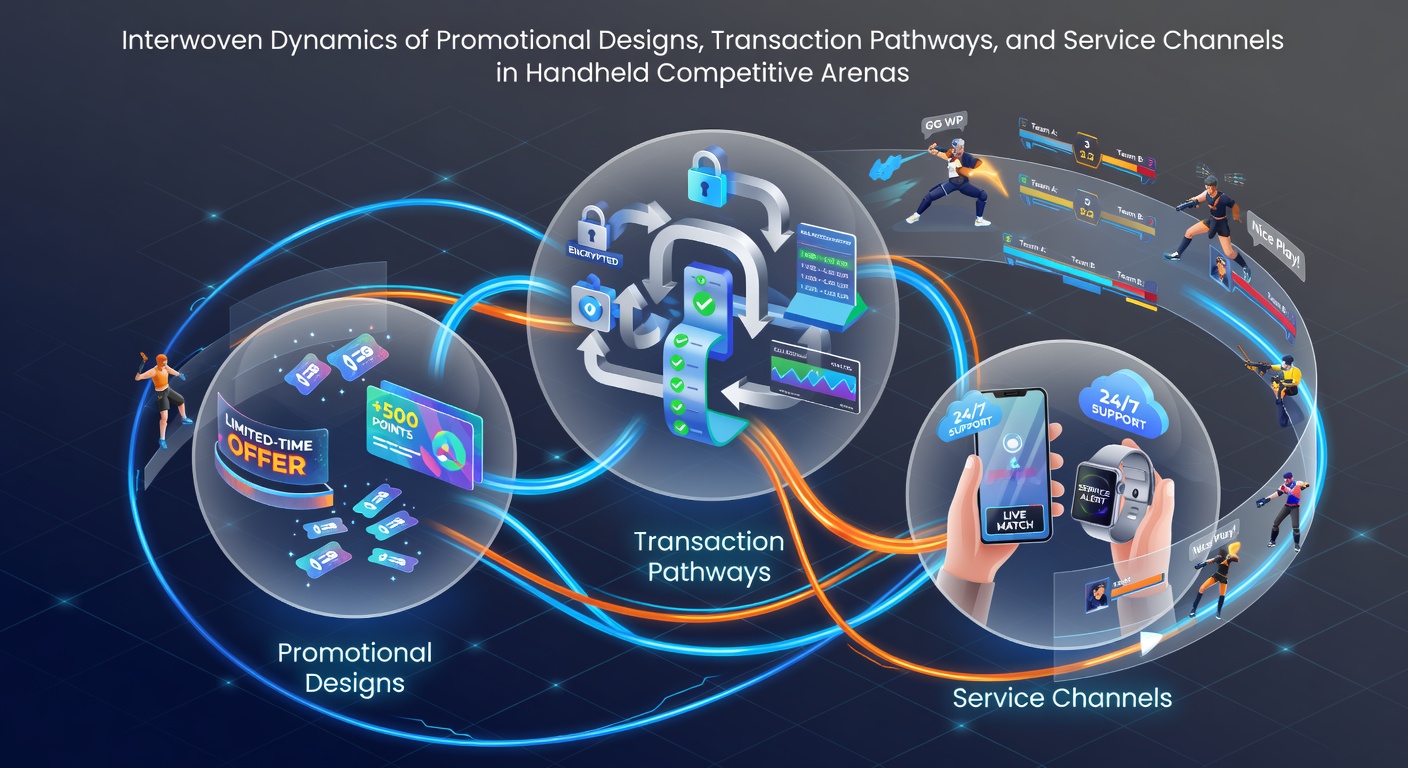
Interwoven Dynamics of Promotional Designs, Transaction Pathways, and Service Channels in Handheld Competitive Arenas
Handheld competitive arenas encompass mobile platforms where esports tournaments, virtual card events, and live skill-based contests unfold in real time, and the connections among promotional designs, transaction pathways, and service channels shape how participants engage with these environments. Promotional designs include structured incentives such as deposit matches, tournament entry credits, and loyalty tiers that appear directly within app interfaces, while transaction pathways handle the movement of funds through digital wallets, instant transfer protocols, and verification layers that operate across multiple regions.
Core Components of Promotional Structures
Promotional designs in these arenas follow patterns established by platform operators who align incentive triggers with user activity data, and studies from the Australian Gambling Research Centre indicate that targeted bonus releases occur most frequently during peak tournament windows in June 2026, coinciding with major mobile esports circuits. These designs incorporate eligibility rules tied to device type, location verification, and prior transaction history, which creates layered qualification sequences that route users through specific app pathways before rewards activate. Observers note that the timing of these promotions often syncs with transaction confirmation points, allowing seamless credit application once a deposit clears through selected processors.
Transaction Pathways and Their Integration Points
Transaction pathways rely on encrypted channels that support multiple currencies and payment instruments, and data compiled by the Nevada Gaming Control Board shows increased volumes of micro-transactions processed through mobile apps during international esports events. These pathways connect directly to promotional systems so that bonus funds appear in user accounts immediately after successful verification, reducing the interval between deposit and playable balance. Service channels enter the flow when users encounter verification delays or need clarification on transfer limits, routing queries through in-app chat or callback systems that maintain records across the same ledgers used for fund movements.
Service Channel Coordination with Incentive and Payment Flows
Service channels operate as the connective tissue between promotional designs and transaction pathways, providing real-time responses that resolve discrepancies in bonus allocation or payment status. Research from the European Gaming and Betting Association highlights how support teams access unified dashboards that display both active promotions and recent transaction records, enabling agents to confirm eligibility without requiring users to repeat account details. In June 2026, several platforms expanded these dashboards to include predictive alerts that flag potential issues before they reach users, such as mismatched regional payment rules or expired promotional codes. This coordination reduces friction during live tournament sessions where timing affects competitive positioning.
One documented workflow involves a player entering a mobile esports bracket, receiving a promotional credit upon deposit, and then using in-app messaging to confirm the credit's application before match start. The service interaction logs the exchange, which feeds back into the platform's analytics to refine future promotional targeting and payment routing preferences.

Regional Variations in System Interconnections
Platforms serving different regulatory jurisdictions adjust how promotional designs interface with transaction pathways and service channels, and reports from the Victorian Commission for Gambling and Liquor Regulation in Australia detail variations in verification speed that affect how quickly bonuses become available across state lines. European operators, guided by directives from multiple national authorities, often embed service escalation protocols directly into the payment confirmation sequence so that users receive guidance on currency conversion before completing a transaction. These regional adaptations demonstrate how the three elements remain interdependent regardless of local compliance requirements.
Technical Mechanisms Supporting the Interplay
Backend systems use API linkages that push promotional eligibility checks into transaction processors and simultaneously log service interactions for compliance auditing. According to findings presented in proceedings from the International Conference on Gambling and Risk Taking, these linkages allow platforms to maintain consistent user experiences even when payment methods change mid-session or when new promotional tiers unlock during ongoing tournaments. Service agents receive automated summaries that combine transaction history with active incentives, which supports quicker resolution of queries related to pending funds or reward redemptions.
June 2026 saw expanded adoption of biometric verification within these integrated flows, shortening the time between service intervention and transaction completion in several major mobile esports applications. The technical architecture ensures that each element updates the others without requiring separate user actions, creating continuous data exchange across promotional, payment, and support modules.
Conclusion
The dynamics among promotional designs, transaction pathways, and service channels in handheld competitive arenas rest on synchronized data exchanges that maintain operational continuity during live events. Platforms continue to refine these interconnections through updated verification protocols and unified support interfaces, with evidence from regulatory bodies and industry research confirming measurable effects on transaction completion rates and user session durations. As mobile tournament calendars advance through 2026 and beyond, the structural relationships among these components remain central to platform functionality across jurisdictions.