How Digital Ledger Systems Coordinate Prize Allocations in Esports Tournament Circuits and Virtual Card Events
Kai Koch · May 31, 2026
How Digital Ledger Systems Coordinate Prize Allocations in Esports Tournament Circuits and Virtual Card Events
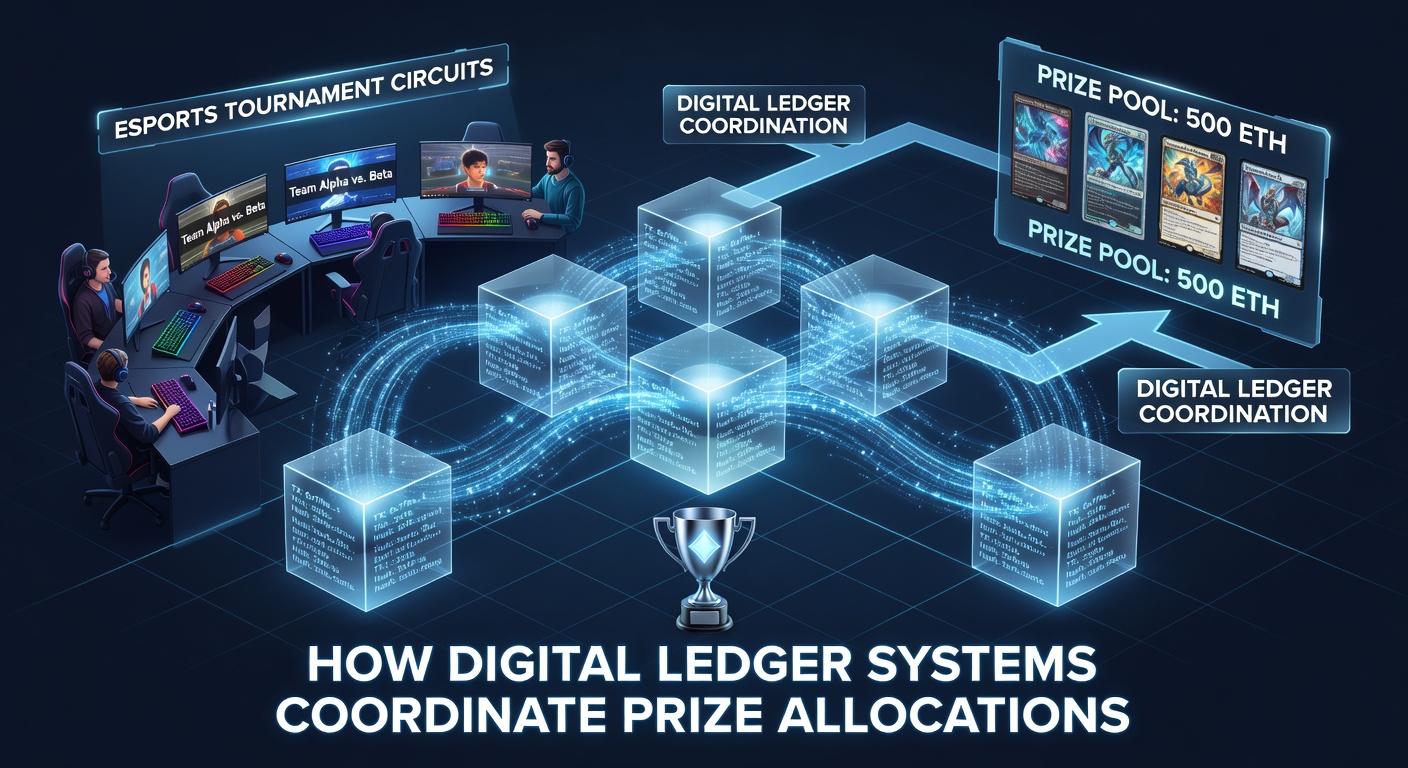
Digital ledger systems rely on distributed blockchain networks to track and allocate prizes in esports tournament circuits along with virtual card events, creating immutable records that verify each step from entry fees through final payouts. These platforms integrate smart contracts that execute automatically once predefined conditions such as match results or player rankings become confirmed on the chain, reducing manual intervention and limiting disputes over fund distribution.
Core Mechanics of Ledger Coordination
Nodes across the network validate transactions in real time, while consensus algorithms ensure that prize pools remain synchronized across multiple organizers and platforms. When a tournament concludes, the ledger updates participant wallets through encrypted entries that reference both performance data and prior contributions, so funds move without requiring centralized clearinghouses. Observers note that this structure supports high-volume events where thousands of micro-allocations occur simultaneously during live competitions.
Virtual card events apply similar logic, logging each hand or round outcome as a timestamped block that feeds into cumulative scoring ledgers. Smart contracts then divide entry stakes according to preset rules, sending portions to winners, organizers, and sometimes community funds within the same transaction batch. Data from industry reports shows that processing times for these allocations average under sixty seconds in optimized systems.
Application Across Esports Circuits
Major circuits integrate ledger APIs directly into their registration and results platforms, allowing teams to view transparent breakdowns of prize shares before competitions begin. In May 2026 several regional leagues expanded their use of multi-signature wallet approvals tied to ledger entries, requiring dual confirmation from organizers and player representatives before releases. This approach has aligned with guidelines from the Global Esports Federation on financial transparency.
Case examples include circuits that route sponsorship contributions through the same ledger as player entry fees, creating unified audit trails. Researchers at academic institutions have documented how these combined flows enable dynamic prize adjustments based on live viewership metrics recorded on-chain, while maintaining separation between operational costs and reward pools.
Virtual Card Events and Ledger Synchronization
Virtual card platforms embed ledger protocols within game engines so that each shuffle, deal, and outcome generates a verifiable hash stored across nodes. Prize pools grow through incremental deposits that the system records as linked transactions, then release final amounts once tournament brackets close. Those who have examined these environments report that reconciliation between card outcomes and monetary transfers happens automatically without separate accounting layers.
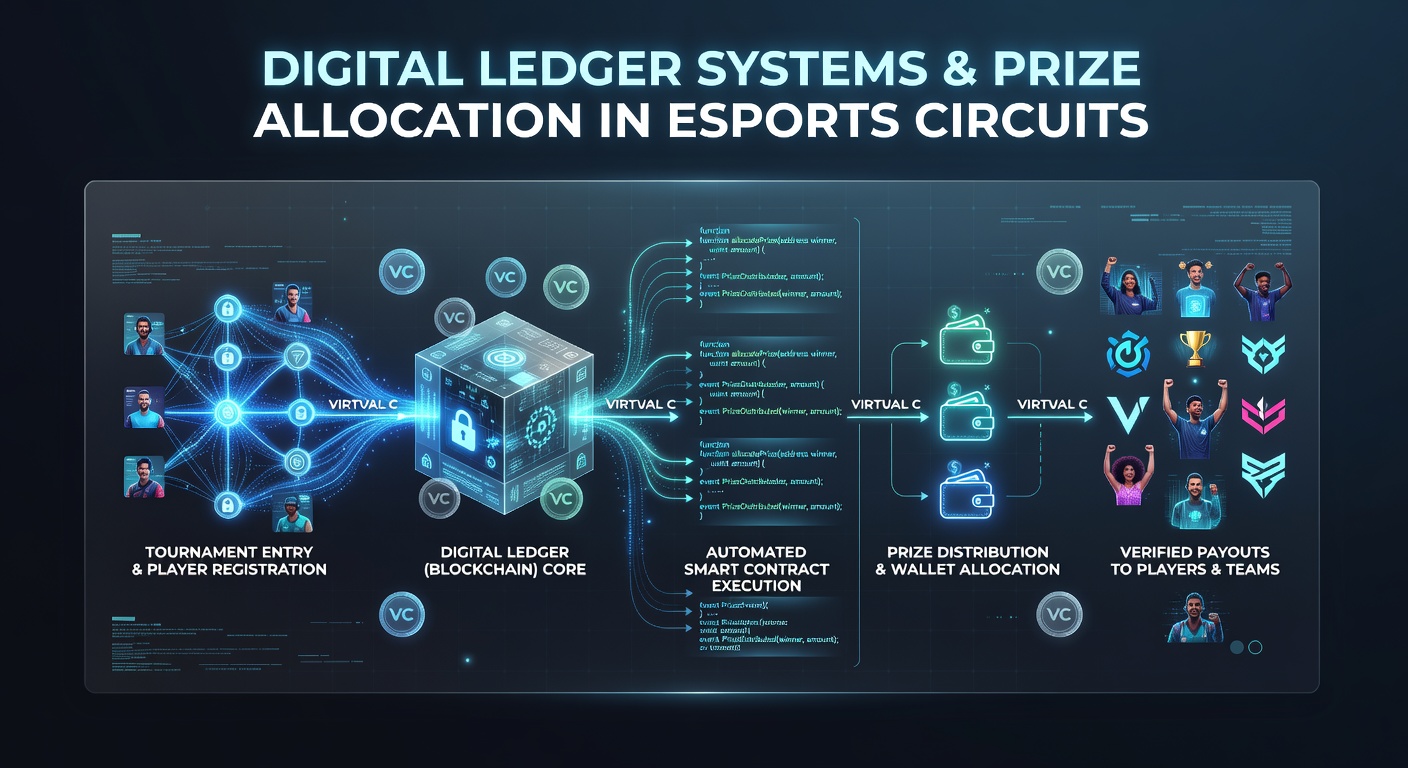
Integration with external payment rails occurs through oracle feeds that pull verified results into the ledger, after which contracts distribute shares to both cash and digital asset winners. Canadian regulatory frameworks, referenced in reports by the Canadian Gaming and Jurisdictional Association, have outlined standards for such oracle accuracy in digital gaming environments to maintain player trust.
Security and Verification Layers
Encryption standards embedded in ledger protocols protect transaction details while permitting public verification of aggregate prize flows. Multi-factor authentication combined with biometric wallet access adds further safeguards against unauthorized reallocations. Participants in these circuits often receive real-time notifications when blocks confirm their share of a pool, creating an ongoing record of movements that auditors can review months later.
Additional case studies from university research programs illustrate how ledger forks or upgrades are managed without interrupting ongoing tournaments, because pending contracts migrate to new chains through automated migration scripts. This continuity has proven essential during periods of rapid platform growth observed through 2026.
Conclusion
Digital ledger systems continue to shape prize coordination by linking performance verification directly to fund movement in both esports circuits and virtual card events. Their capacity for simultaneous validation across distributed nodes supports expanding event scales while preserving detailed, tamper-resistant histories of every allocation. As adoption widens, these mechanisms provide consistent infrastructure for organizers seeking reliable distribution methods across global participant bases.