Feedback Loops Linking Player Inquiries to Credit Approvals in Mobile Wagering Events and Virtual Casino Environments
Eden Friedrich · Jun 12, 2026
Feedback Loops Linking Player Inquiries to Credit Approvals in Mobile Wagering Events and Virtual Casino Environments
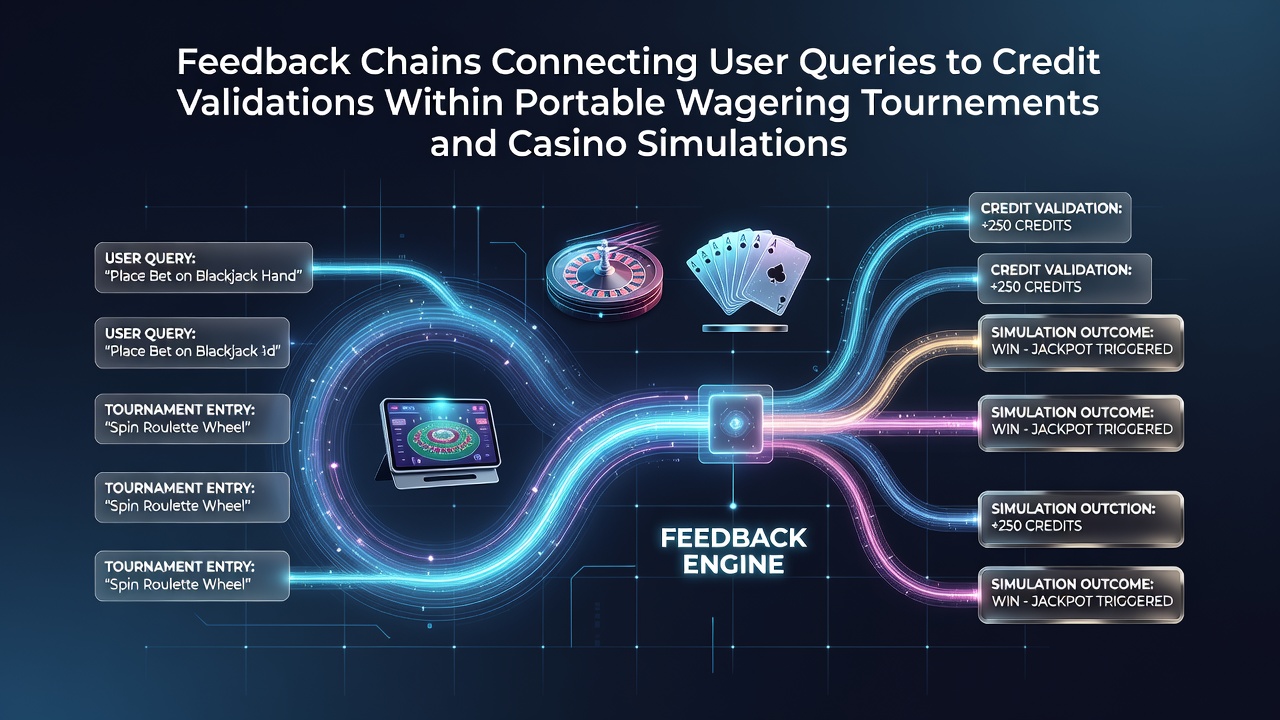
Feedback chains in portable wagering tournaments and casino simulations function as interconnected data pathways that route player questions directly into credit validation processes, and these systems operate through automated triggers that update account ledgers while tournament rounds continue without interruption.
Core Mechanisms of Query Routing
Player support interfaces capture inquiries about bonus eligibility or transaction status, after which natural language processing algorithms classify the input and forward it to backend ledgers that cross-reference pending credits against real-time tournament participation logs. Data indicates these classifications occur within milliseconds, allowing validation scripts to confirm whether a queried credit aligns with completed match results or simulated hand outcomes in casino environments.
Observers note that synchronization occurs across distributed servers, where query timestamps link to specific event IDs generated during live mobile sessions, and this linkage prevents duplicate credit issuances while tournament brackets advance through qualification stages.
Integration with Tournament Credit Flows
In portable esports tournaments, credit validation chains activate when users submit queries regarding prize pool allocations, and the system then pulls data from blockchain-style ledgers that record each participant's entry fees and performance metrics. Research from the University of Nevada, Las Vegas shows these chains reduce processing delays by connecting inquiry metadata to payout queues, which then release validated credits into player wallets before subsequent rounds begin.
Virtual casino simulations follow similar patterns, where queries about slot bonus triggers feed into probability engines that recalculate expected values based on session history, and the resulting approvals update simulated bankrolls without requiring players to exit active tables or wheel spins.

Data Synchronization Across Platforms
Portable devices transmit session data continuously to central hubs, while feedback chains maintain consistency by embedding validation flags within each query response packet, and these flags ensure credits appear only after cross-checks against anti-fraud rules established by regulatory frameworks. As of June 2026, mobile platforms have expanded these chains to handle higher query volumes during peak tournament hours, when simultaneous users reach thousands across multiple leagues.
Those who monitor system performance report that chain efficiency improves when query categories map directly to credit types, such as entry-fee refunds versus performance bonuses, because direct mapping reduces the number of database calls required for each approval cycle.
Regulatory and Security Considerations
Compliance standards require audit trails that log every step from initial user query through final credit validation, and authorities like the New Jersey Division of Gaming Enforcement mandate retention of these records for a minimum period to verify fair play across mobile wagering applications. Security protocols encrypt query data during transit, while validation servers apply multi-factor checks that confirm player identity before releasing tournament credits into active simulations.
Industry reports from the European Gaming and Betting Association highlight how these encrypted pathways support cross-border tournament participation without exposing sensitive financial details, and the same reports note that June 2026 updates introduced enhanced chain segmentation to isolate casino simulation credits from esports prize distributions.
Operational Examples in Live Environments
One documented case involved a mobile poker tournament where a player queried an uncredited bounty, triggering an automated chain that verified the elimination timestamp against the tournament log before approving the credit within the same hand interval. Similar processes unfold in casino simulations when users report delayed free-spin awards, and the chain routes the inquiry through random-number-generator logs to confirm eligibility before updating the simulated balance.
Platform operators maintain dashboards that visualize chain throughput, allowing technical teams to identify bottlenecks where high query loads coincide with peak validation demands during major league events.
Conclusion
Feedback chains continue to evolve as core infrastructure within portable wagering tournaments and casino simulations, connecting user queries to credit validations through layered data exchanges that maintain operational continuity and regulatory compliance. These systems demonstrate measurable improvements in processing speed and accuracy as mobile platforms scale to accommodate growing participation rates observed through mid-2026.