Decoding Synchronization Patterns Among Reward Systems, Digital Transfers, and Service Channels in Handheld Esports and Tournament Environments
Quinn Griffin · May 24, 2026
Decoding Synchronization Patterns Among Reward Systems, Digital Transfers, and Service Channels in Handheld Esports and Tournament Environments
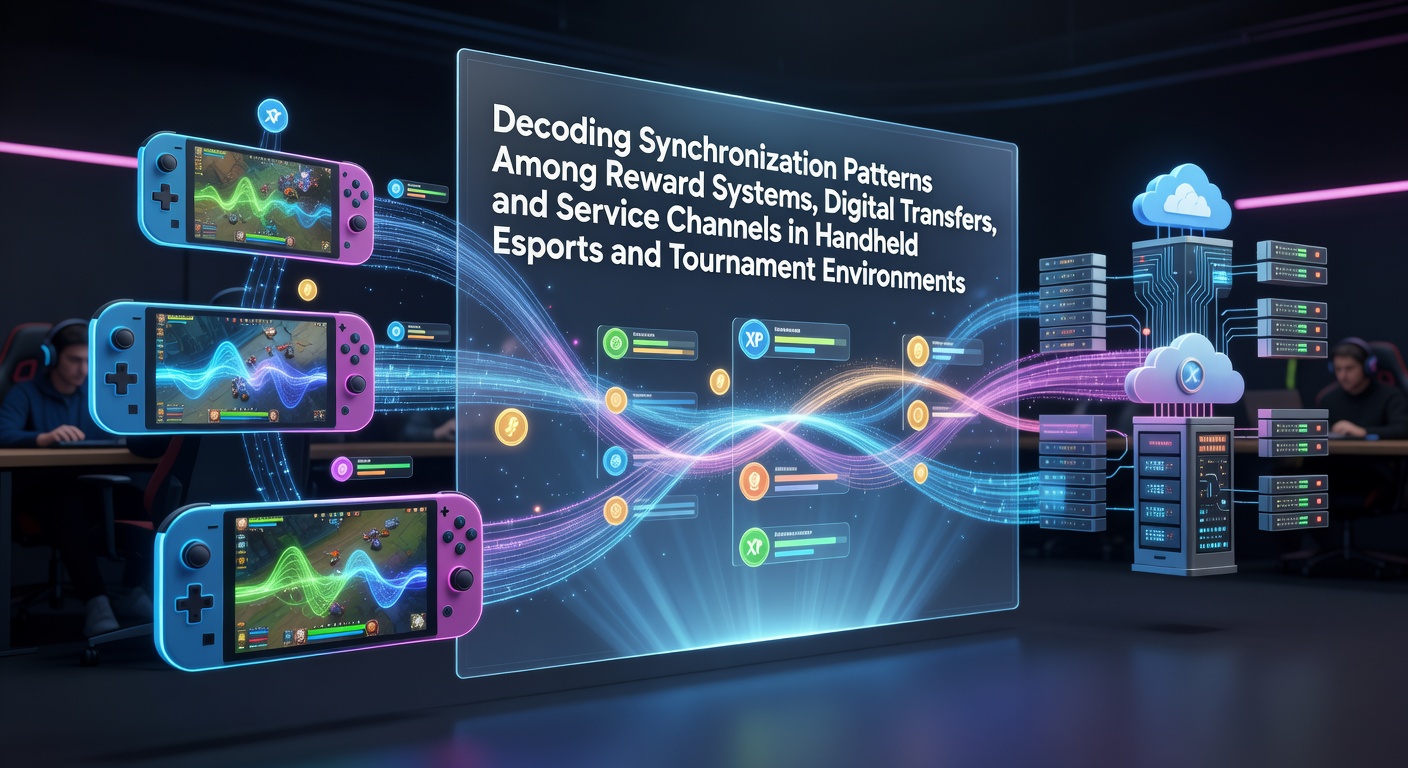
Handheld esports platforms coordinate reward systems, digital transfers, and service channels through layered synchronization protocols that align user incentives with transaction flows and real-time assistance. These patterns emerge when mobile tournament operators link bonus structures directly to payment gateways while routing support queries through the same data streams that process winnings and deposits.
Core Elements in Mobile Tournament Ecosystems
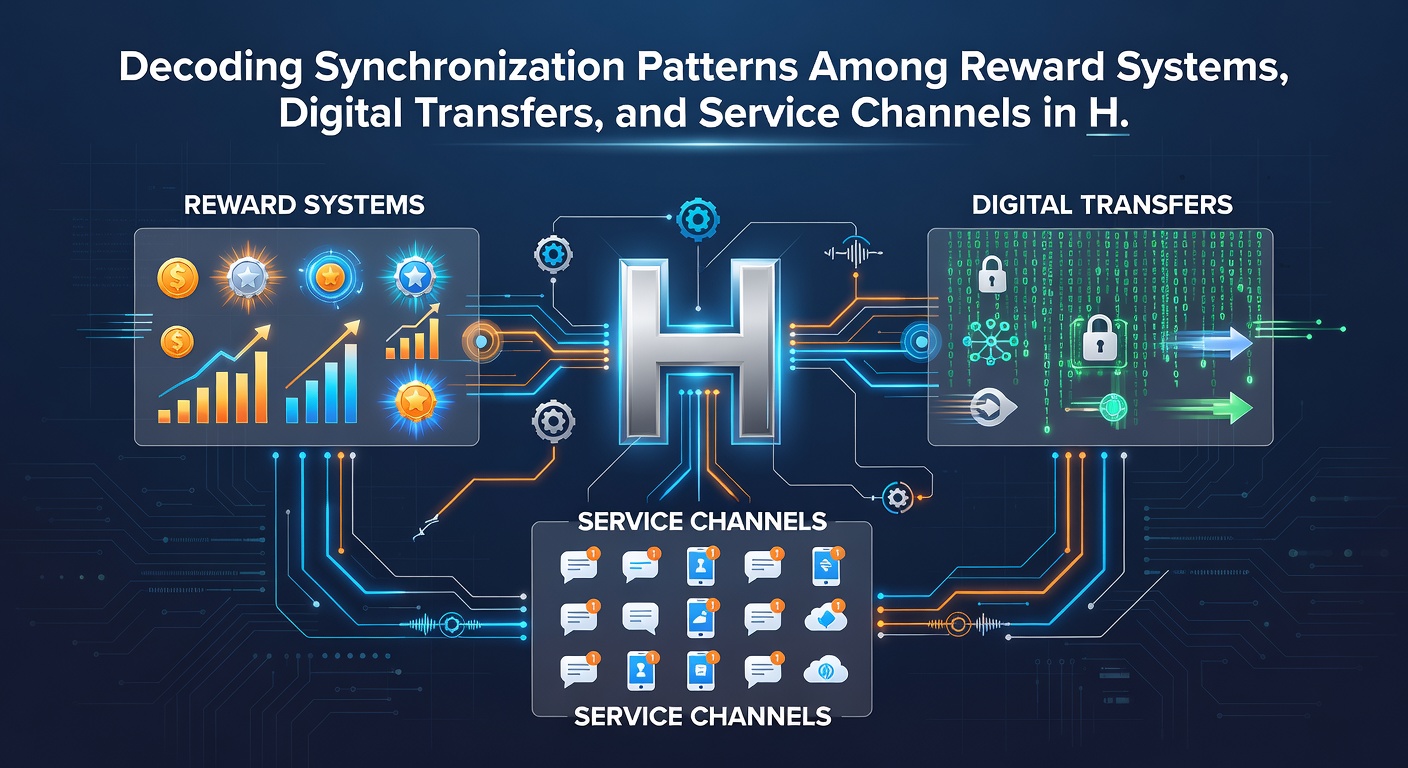
Reward systems in handheld esports environments distribute bonuses, loyalty points, and prize credits based on participation metrics and performance thresholds, and these mechanisms connect to digital transfer networks that handle deposits, withdrawals, and in-app purchases. Service channels operate alongside both elements by providing chat interfaces, ticket systems, and automated responses that reference the same user data pools used for reward calculations and fund movements.
Operators achieve synchronization by employing application programming interfaces that update reward ledgers simultaneously with transaction confirmations, and this setup allows service agents to access unified dashboards showing a player's bonus status, payment history, and open queries in one view. Data from May 2026 shows increased adoption of these unified systems across major mobile tournament providers as event volumes grew.
Patterns of Integration Across Platforms
Observers note that synchronization often follows a hub-and-spoke model where a central user profile database feeds information to reward engines, payment processors, and customer service modules. When a player completes a tournament match, the reward system triggers a credit that appears instantly in the digital wallet, and any related support ticket automatically references the updated balance without requiring separate data entry.
Research from the International Esports Federation indicates that platforms using real-time API calls between these three areas report fewer discrepancies in payout timing compared with segmented systems. Service channels benefit because representatives receive alerts about reward expirations or transfer delays through the same notification layer that processes player actions during live events.
Technical Mechanisms Driving Coordination
Digital transfers rely on encrypted token exchanges that verify funds before reward systems allocate bonuses tied to those amounts, and service channels monitor these exchanges to flag potential issues such as failed verifications or regional restrictions. Synchronization patterns become visible in the way automated scripts reconcile ledgers every few seconds, ensuring that a completed transfer updates both reward eligibility and support records without manual intervention.
Studies conducted by researchers at the University of Sydney's Digital Games Lab reveal that latency below 200 milliseconds in these interconnected flows correlates with higher retention rates during multi-day tournament schedules. Handheld devices handle this coordination through background processes that maintain session continuity even when users switch between competition screens and account management sections.
Regional Variations in Synchronization Approaches
Platforms operating under Australian regulatory frameworks emphasize audit trails that link every reward issuance to a corresponding digital transfer record, which service teams can retrieve instantly during compliance checks. In contrast, operators serving North American markets often prioritize speed of reward delivery while maintaining separate but mirrored databases for service queries, and this creates distinct synchronization rhythms depending on local requirements.
According to figures released by the Canadian Gaming Association in early 2026, cross-border tournaments increasingly adopt hybrid models that merge both approaches, allowing reward systems to pause bonus releases until transfer confirmations reach service-monitored queues. Such adjustments reduce disputes by ensuring all three components reflect identical status information at any given moment.
Future Trajectories for System Alignment
Continued refinement of synchronization patterns appears tied to advances in edge computing on handheld devices, which permit faster local processing of reward and transfer data before it reaches centralized service channels. Tournament organizers have begun testing predictive algorithms that anticipate support needs based on reward distribution patterns and transfer volumes, routing assistance proactively rather than reactively.
Evidence from industry reports suggests these developments will further tighten the connections among the three systems, creating environments where handheld esports participants experience seamless transitions between earning rewards, moving funds, and receiving assistance without noticeable delays or data mismatches.
Conclusion
Synchronization patterns among reward systems, digital transfers, and service channels in handheld esports environments rest on shared data architectures that update all components simultaneously. These connections support efficient tournament operations by reducing friction across incentives, payments, and assistance, and they continue to evolve with device capabilities and regional standards observed through May 2026 and beyond.