Cross-Platform Synchronization Patterns in Digital Matches
Quinn Griffin · Jul 19, 2026
Cross-Platform Synchronization Patterns in Digital Matches
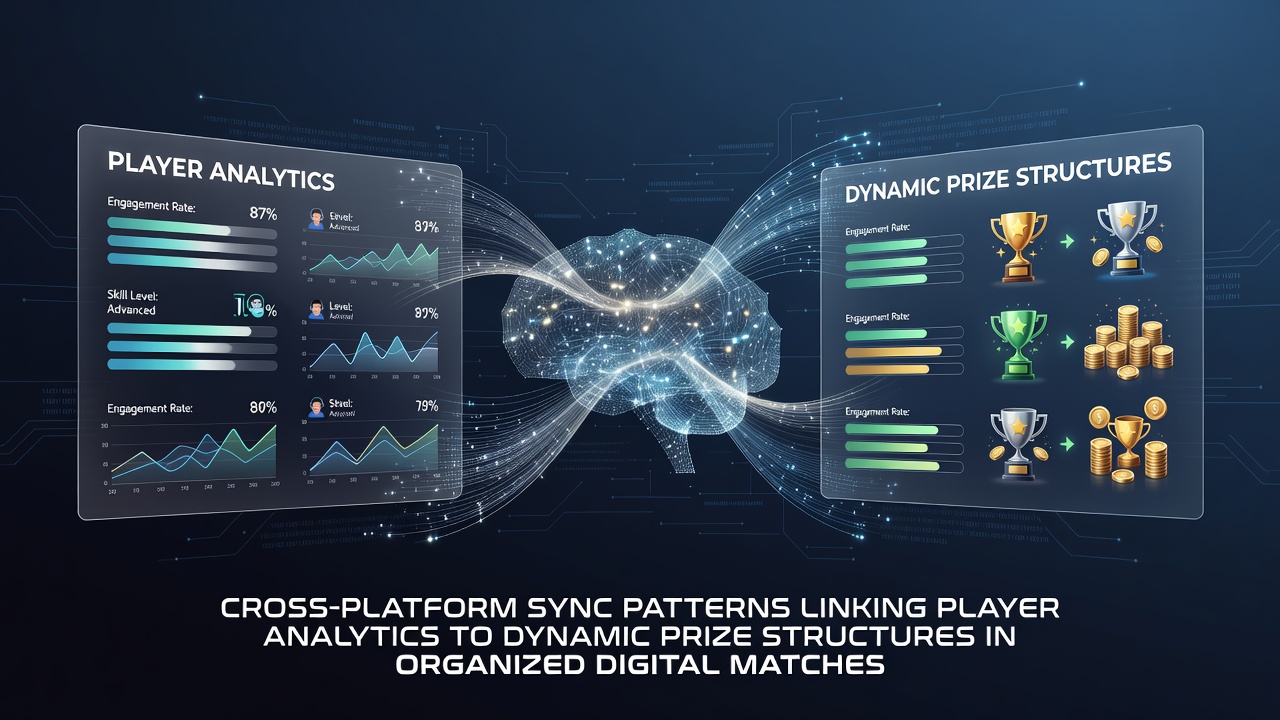
Organized digital matches now rely on synchronized data streams that pull player metrics from consoles, mobile devices, and PC clients into unified analytics engines, and these engines feed directly into algorithms that adjust prize allocations during live events. Research indicates that such patterns emerged prominently after 2024 when major tournament organizers adopted standardized APIs to handle multi-device participation, while data shows that synchronization latency dropped below 200 milliseconds in optimized systems by early 2026. Operators collect behavioral signals including session duration, in-match decision trees, and cross-device progression rates, then map these inputs against predefined prize multipliers that scale according to engagement thresholds. Studies from academic labs reveal that dynamic structures respond to aggregate cohort performance rather than isolated results, so a surge in mobile participation during evening hours can trigger incremental prize pool expansions that carry over to subsequent rounds. In July 2026 tournament circuits documented average prize adjustments occurring every 4.2 minutes during peak brackets, with adjustments calculated through weighted models that incorporate both historical and live telemetry.Data Integration Across Devices
Engineers design sync layers that reconcile timestamp discrepancies between platforms by applying offset corrections derived from device clocks and network pings, and these corrections maintain consistency even when players switch devices mid-match. Observers note that player analytics pipelines now segment data into micro-batches processed through distributed computing clusters, whereas earlier architectures relied on centralized servers that created bottlenecks during high-volume events. The result allows prize engines to receive refreshed inputs within seconds rather than minutes, enabling structures that reward sustained cross-platform activity with escalating rewards.
Take one implementation where a European esports league integrated console and smartphone feeds into a single graph database, and the system flagged correlations between device-switching frequency and win-rate variance that directly influenced bonus prize tiers. Figures from industry reports show participation across three or more platforms rose 37 percent year-over-year through mid-2026, prompting organizers to refine sync protocols that prioritize mobile data streams during afternoon qualifiers when desktop usage dips.
Dynamic Prize Mechanisms
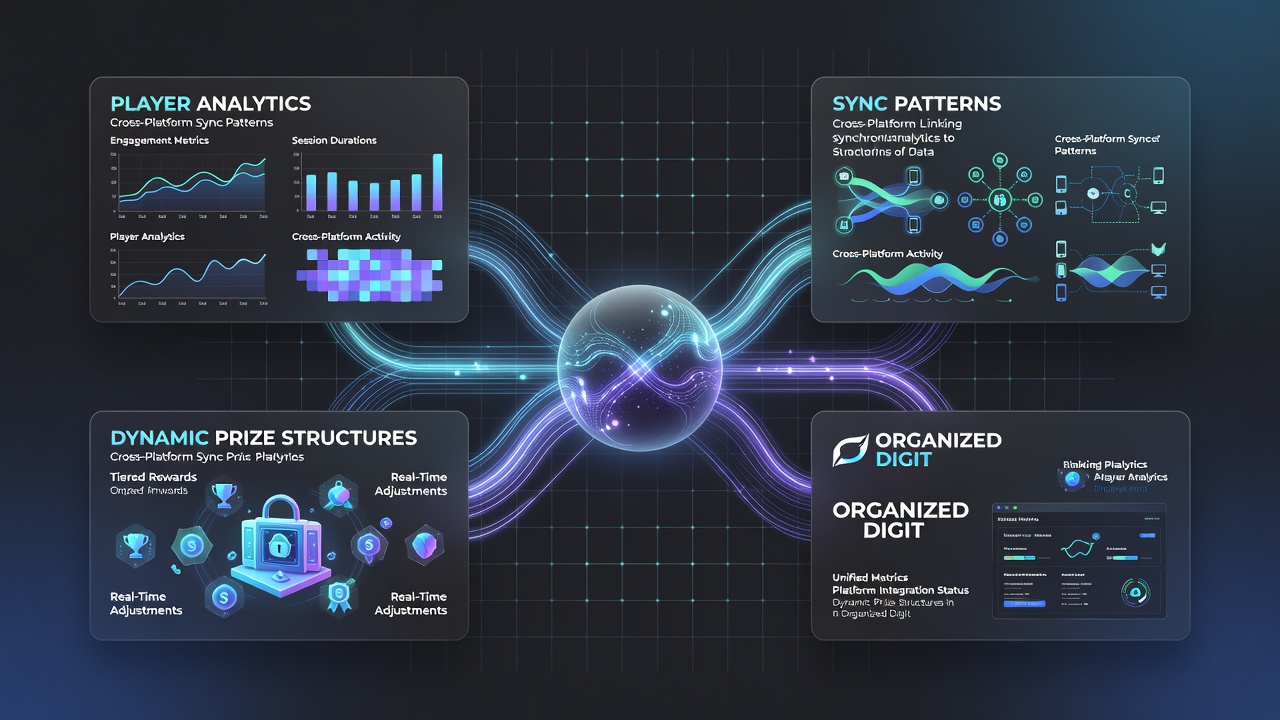 Prize structures evolve through rule sets that recalibrate payout ratios based on aggregated analytics thresholds, and these thresholds account for variables such as regional participation density and time-of-day engagement curves. According to data released by the New Jersey Division of Gaming Enforcement, regulated platforms reported a 22 percent increase in adaptive prize events during the first half of 2026, with adjustments tied explicitly to synchronized player metrics rather than static schedules. The mechanics ensure that when analytics indicate higher-than-expected retention across devices, additional prize layers unlock without requiring manual intervention from tournament staff.
Coordinators implement feedback loops that monitor how prize changes affect subsequent participation metrics, creating closed systems where analytics both trigger and validate adjustments. Researchers at the University of Nevada's gaming analytics program documented cases where dynamic structures maintained consistent player distribution across skill brackets even as total prize pools fluctuated by more than 40 percent within single events. Such patterns reduce the occurrence of bracket imbalances that previously arose when fixed prizes attracted uneven device cohorts.
Operational Considerations in 2026
Platform teams now deploy monitoring dashboards that surface sync health metrics alongside prize engine outputs, allowing rapid identification of data drift that could skew reward calculations. Regulatory frameworks in multiple jurisdictions require audit trails for every dynamic adjustment, so each analytics-to-prize linkage generates immutable logs that compliance officers review during quarterly assessments. Industry associations report that standardized sync schemas adopted in late 2025 reduced integration costs for smaller organizers by approximately 18 percent while preserving the granularity needed for accurate prize modulation.
Security layers encrypt player identifiers during transit between platforms and analytics repositories, and decryption occurs only within isolated processing environments that prevent direct exposure of individual records. These measures align with broader data protection standards that govern cross-border tournament operations, ensuring that dynamic prize systems operate within established compliance boundaries.
Conclusion
Cross-platform synchronization continues to mature as the connective tissue between player analytics and responsive prize architectures, and July 2026 data confirms that refined patterns deliver measurable improvements in participation balance and operational efficiency across organized digital matches. Continued refinement of sync protocols and analytics models will determine how quickly additional tournament formats adopt similar dynamic structures while maintaining regulatory alignment.