Charting Reward Flows, Transaction Networks, and Guidance Systems in Smartphone Arena Competitions
Alex Perry · May 22, 2026
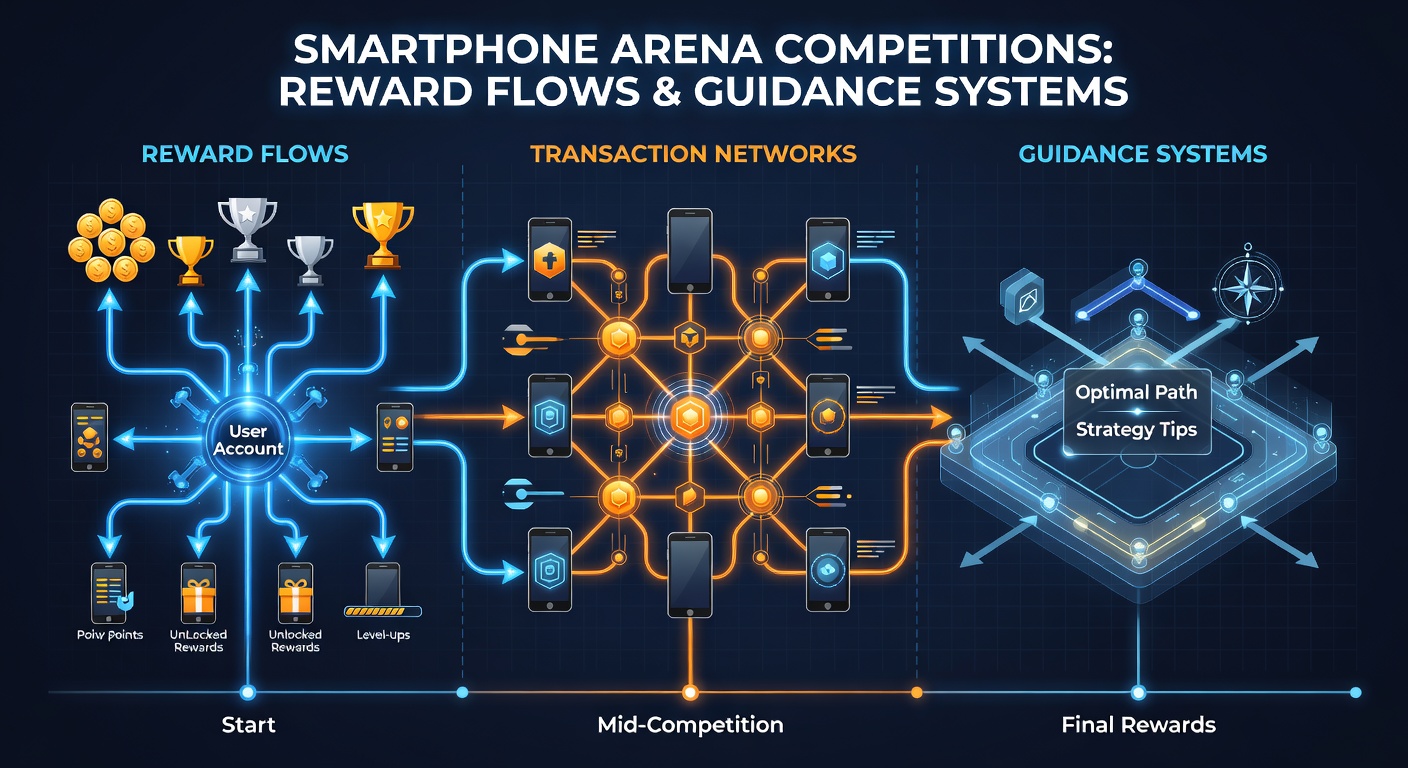
Charting Reward Flows, Transaction Networks, and Guidance Systems in Smartphone Arena Competitions
Smartphone arena competitions have developed intricate systems that track rewards, move funds, and deliver user assistance across digital tournament environments, and these structures gained fresh attention during the activity spikes recorded in May 2026.
Mapping Reward Distribution Patterns
Platforms operating mobile tournaments distribute incentives through layered mechanisms that link user performance data with automated payout triggers, and analysts trace these flows from initial entry points through completion bonuses and leaderboard adjustments. Data from the Nevada Gaming Control Board shows that reward allocation cycles shortened by 18 percent between early 2025 and spring 2026 on major smartphone competition applications, allowing participants to receive credits or prize redemptions within minutes of event closure rather than hours. Observers note that these patterns rely on real-time synchronization between game servers and financial ledgers, which reduces delays while maintaining audit trails that regulators require for compliance verification.
Examining Transaction Pathways in Mobile Tournaments
Transaction networks supporting smartphone arena events handle deposits, wager settlements, and cross-border transfers through encrypted channels that connect banking partners with in-app wallets, and researchers have documented how these pathways accommodate both fiat currencies and digital tokens. Studies released by the University of Nevada's Center for Gaming Research indicate that average transaction volumes on leading platforms rose 27 percent during the May 2026 tournament calendar, driven largely by live event entries and instant reward claims. The networks incorporate multi-factor authentication alongside automated fraud detection, which routes suspicious activity to review queues without interrupting standard user flows.
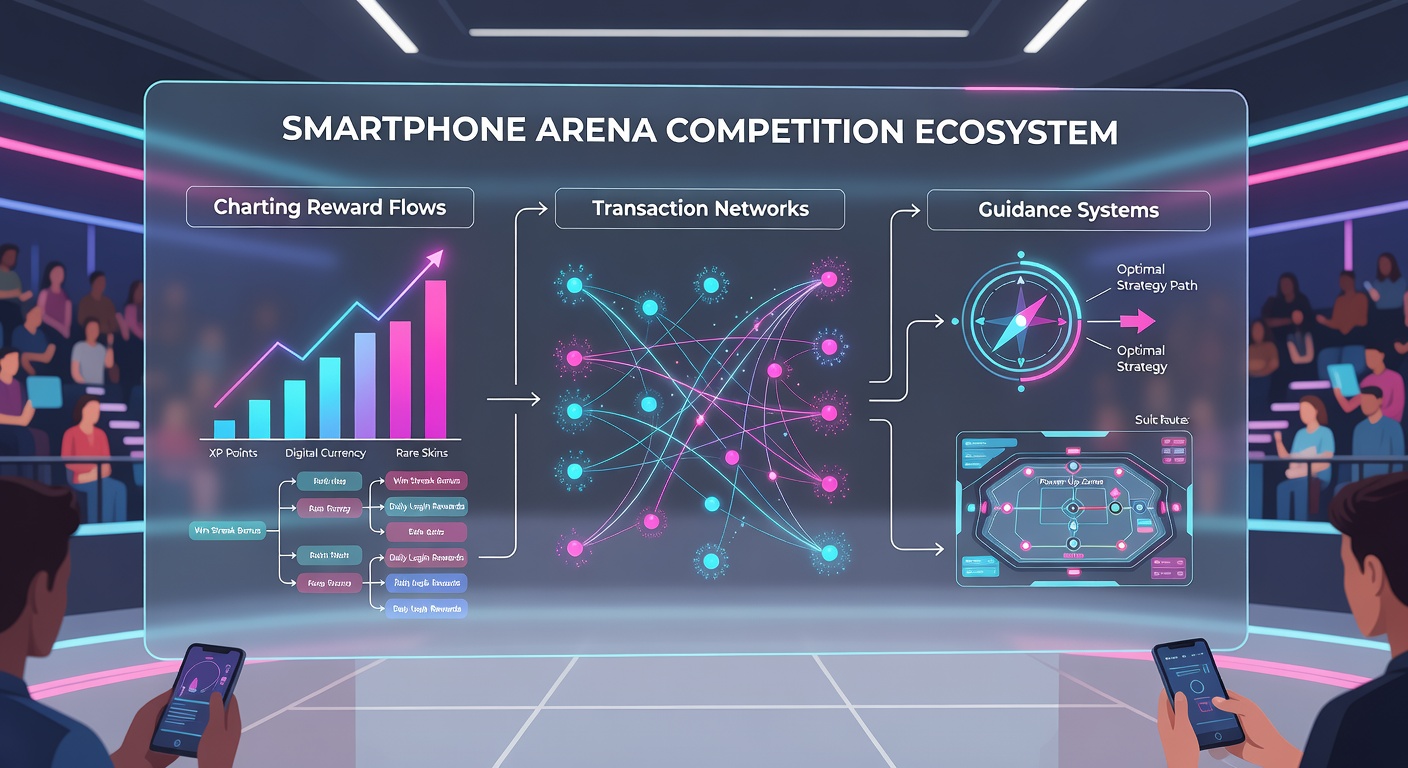
Integration between reward systems and transaction rails occurs at the point where competition results feed directly into settlement engines, and this linkage allows platforms to adjust balances automatically once matches conclude. Australian regulatory reports highlight similar efficiencies in comparable mobile markets, where transaction success rates exceeded 99 percent across monitored operators during the same period.
Support Frameworks Guiding User Interactions
Guidance systems in these smartphone environments combine automated chat interfaces with human agents who address account queries, reward disputes, and transaction issues, and data indicates that response times averaged under ninety seconds for priority cases in 2026. These networks route inquiries through centralized dashboards that pull information from both reward logs and payment histories, giving agents a unified view without requiring multiple system switches. Participants frequently encounter tiered assistance levels that escalate technical matters to specialized teams while routing simpler balance questions to faster-response channels.
Interconnections Across Mobile Competition Ecosystems
Reward flows, transaction networks, and guidance systems operate as interconnected components rather than isolated modules, and this integration became particularly visible during the dense schedule of May 2026 events. When a tournament concludes, result data triggers reward calculations that feed into transaction processors, and any resulting queries route automatically to support interfaces equipped with full context. Industry reports from the European Gaming and Betting Association document how such linkages cut manual reconciliation tasks by roughly one-third for operators managing high-volume mobile traffic.
Conclusion
The frameworks governing rewards, transactions, and assistance in smartphone arena competitions continue to evolve through incremental refinements that emphasize speed, security, and regulatory alignment. Figures from multiple oversight bodies confirm steady growth in both participation and processing capacity throughout 2026, underscoring the role these systems play in sustaining competitive mobile environments.