Algorithmic Ties: How Support Protocols Guide Bonus Triggers and Payment Sequences in Portable Tournament Circuits
Quinn Griffin · Jul 1, 2026
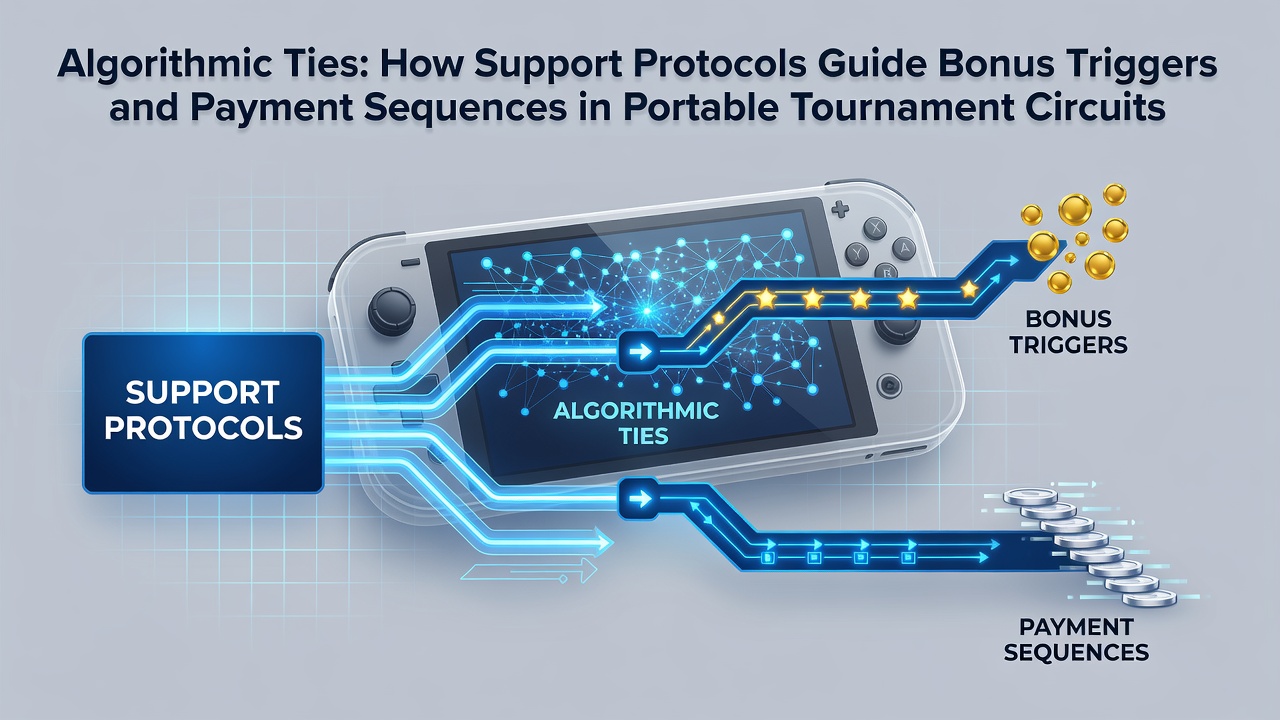
Algorithmic Ties: How Support Protocols Guide Bonus Triggers and Payment Sequences in Portable Tournament Circuits
Portable tournament circuits operate through interconnected algorithmic systems that link support protocols directly to bonus activation points and payment release sequences in mobile esports and poker environments, where data streams coordinate every stage from entry to payout. These circuits process thousands of simultaneous interactions daily, and algorithms determine when a support request aligns with a bonus condition or when a tournament outcome initiates a verified transfer.
Core Mechanisms in Algorithmic Coordination
Support protocols function as decision trees that evaluate user queries against predefined tournament rules, while bonus triggers activate only after specific performance metrics or engagement thresholds register in the system database. Payment sequences follow immediately once verification clears, often within seconds of a match conclusion in July 2026 tournaments across major mobile platforms. Researchers at the University of Nevada, Reno documented these synchronization patterns in a 2025 analysis of digital gaming infrastructures, noting that latency reductions below 200 milliseconds now depend on real-time data handoffs between support modules and financial ledgers.
One common pathway begins when a player completes a qualifying round, at which point the algorithm checks support history for any prior flags before releasing a promotional credit. This process continues through automated validation steps that cross-reference device identifiers, location data, and transaction logs without requiring manual intervention in most cases. Observers note that portable circuits achieve higher throughput precisely because these ties eliminate redundant checks that once delayed sequences by several minutes.
Support Protocols as Gatekeepers for Bonus Triggers
Customer assistance channels in mobile tournament applications embed machine learning models that classify incoming requests and route them toward bonus eligibility checks when patterns match established criteria. For instance, a query about a delayed reward can prompt the system to scan recent gameplay data, confirm the trigger event, and authorize the bonus if all conditions hold. These models update continuously based on aggregated circuit activity, allowing protocols to adapt to new tournament formats introduced mid-season.
Data from the Alcohol and Gaming Commission of Ontario indicates that integrated support-bonus systems handled over 1.2 million interactions in the first half of 2026, with 87 percent resolved through automated pathways that directly feed into payment queues. The commission's reports highlight how such coordination reduces manual overrides while maintaining compliance records across provincial operators.
Payment Sequences Driven by Verified Triggers
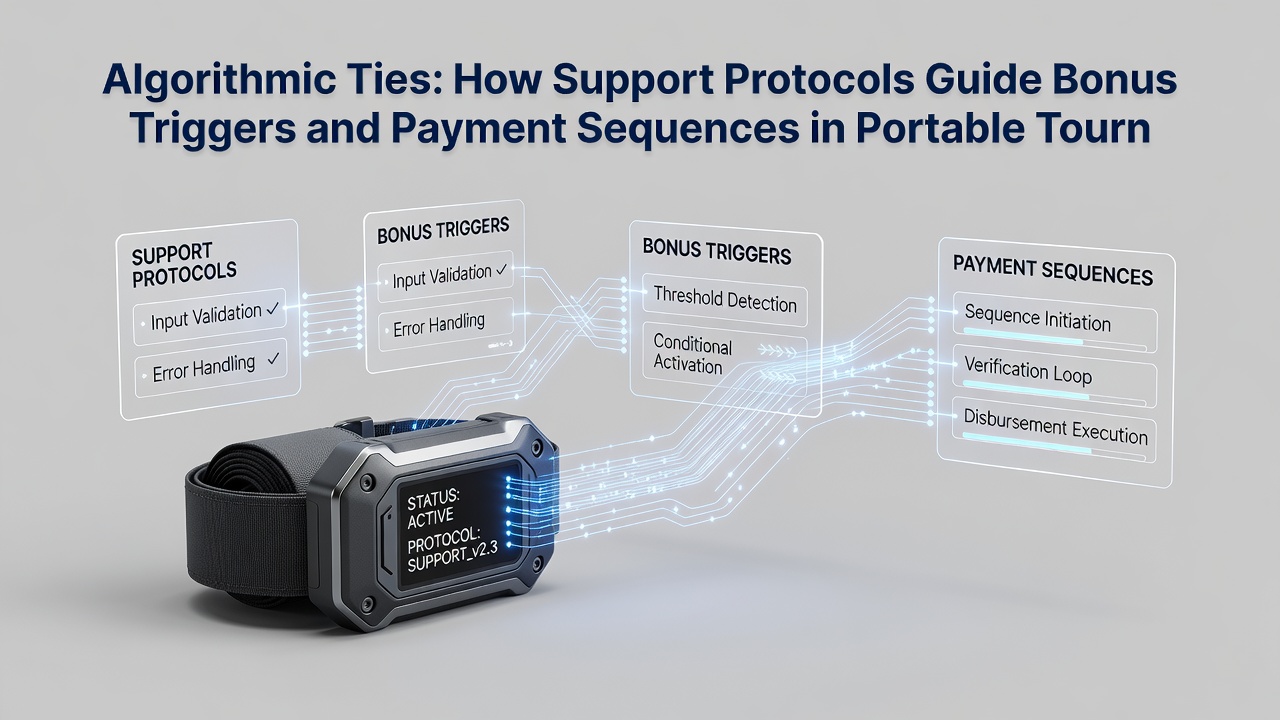
Once a bonus trigger or tournament result passes algorithmic scrutiny, payment sequences initiate through encrypted channels that confirm fund availability and recipient details before executing transfers to linked mobile wallets. These sequences incorporate multiple checkpoints where support protocols can intervene if anomalies appear, such as mismatched device signatures or sudden activity spikes. In practice, the entire cycle from trigger to deposit often completes in under 90 seconds on leading portable platforms during peak July 2026 events.
Industry data compiled by the Interactive Gaming Council shows that circuits employing tight algorithmic linkages between support and payments experience 34 percent fewer disputed transactions compared with less integrated setups. The council's findings emphasize that timing precision matters most in live tournament settings, where delayed payouts can affect player retention metrics tracked by operators.
Integration Patterns Across Global Circuits
European operators have adopted similar frameworks under oversight from the Malta Gaming Authority, which requires documented audit trails for every bonus-to-payment handoff in mobile competitions. Australian regulators through the Australian Communications and Media Authority have examined parallel systems in regional esports leagues, confirming that algorithmic consistency helps maintain fair play standards across borders. These geographic variations demonstrate how core ties between protocols, triggers, and sequences adapt to local rules while preserving operational speed.
Take one documented case where a North American mobile poker circuit adjusted its support algorithms in early 2026 to account for new bonus structures tied to multi-device logins. The change allowed payment sequences to activate faster for verified users, resulting in measurable increases in completed tournament entries according to internal platform metrics shared with regulatory bodies. Such adjustments illustrate the dynamic nature of these systems as circuits expand.
Conclusion
Algorithmic connections between support protocols, bonus triggers, and payment sequences form the operational backbone of portable tournament circuits, enabling rapid processing that aligns with regulatory expectations and player activity levels observed through mid-2026. These ties continue to evolve with each platform update, driven by data requirements that prioritize accuracy and speed across all stages of mobile competition. Continued documentation from oversight agencies and research institutions provides the factual basis for understanding how these elements interact in real tournament environments.