Algorithmic Coordination of Incentive Delivery Across Virtual Arena Transaction Systems
Viktor Krüger · Aug 14, 2026
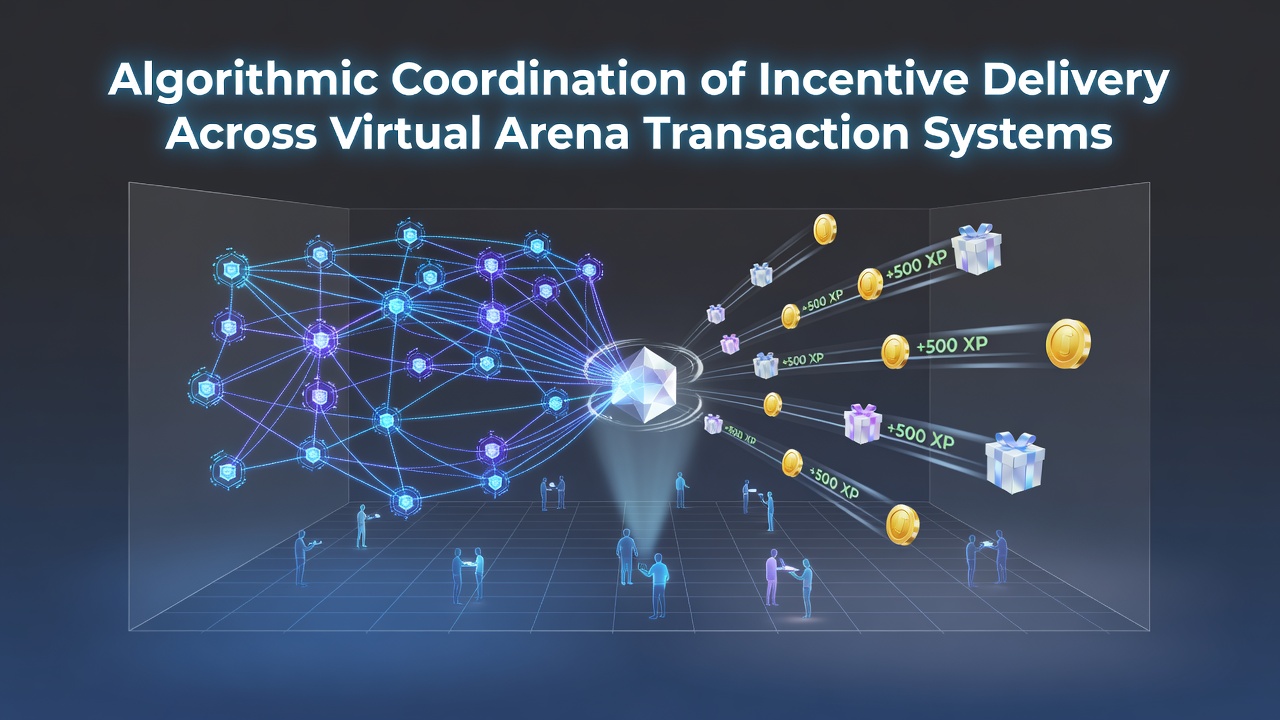
Algorithmic Coordination of Incentive Delivery Across Virtual Arena Transaction Systems
Virtual arena transaction systems rely on algorithmic coordination to align incentive delivery with user actions across digital platforms, and these systems process signals from gameplay events, fund movements, and support requests in unified data streams. Researchers have documented how machine learning models predict optimal timing for reward releases while maintaining compliance with platform rules, and data from multiple operators shows integration of real-time ledgers that update prize allocations within milliseconds of tournament milestones.
Core Mechanisms in Algorithmic Synchronization
Algorithms handle three primary layers in these environments: incentive triggers based on performance metrics, transaction routing that moves funds between participant wallets and operator accounts, and feedback loops that route assistance queries to appropriate channels. According to a 2025 report from the Entertainment Software Association, such coordination reduces latency in reward distribution by up to 40 percent compared with earlier manual processes, and the same analysis notes increased accuracy in matching bonuses to specific event outcomes.
Developers implement decision trees that evaluate variables including participation duration, wager size, and concurrent activity levels, then they execute conditional transfers without human intervention. Observers note that these trees operate alongside blockchain-based verification layers in many platforms, which creates immutable records of each incentive event while preserving privacy through zero-knowledge proofs. In August 2026 several major circuits adopted updated protocols that further compress settlement windows during live esports finals and virtual card tournaments.
Transaction Network Structures
Payment pathways in virtual arenas typically combine centralized databases with distributed ledger components, and this hybrid approach allows rapid crediting of promotional funds while recording larger prize movements on public chains for audit purposes. Studies from the University of Melbourne indicate that synchronized timestamping across these networks prevents double-spending of bonuses and maintains consistent user balances even when multiple events occur simultaneously.

Operators have integrated API gateways that standardize data exchange between incentive engines and external processors, and these gateways enforce rate limits and authentication rules that reduce error rates in cross-border transfers. Figures from Innovation, Science and Economic Development Canada reveal that platforms using such gateways processed over 2.3 billion micro-transactions in the preceding fiscal year, with algorithmic reconciliation catching 99.7 percent of discrepancies before they reached end users.
Support Channel Integration
Assistance networks connect directly to the same algorithmic core that manages incentives and transactions, which enables automated routing of queries based on detected anomalies in fund flows or reward eligibility. When a participant flags a delayed payout, the system cross-references transaction logs and triggers predefined escalation paths that involve both automated responses and human review when thresholds are exceeded.
Case examples from European tournament circuits show that coordinated support loops cut average resolution time from 48 hours to under six hours in high-volume periods, and similar patterns appear in North American mobile platforms that adopted unified data schemas during 2025 upgrades. These schemas allow support agents to view incentive history, payment status, and prior interactions in a single dashboard without switching systems.
Developments Observed in August 2026
Platform updates rolled out in August 2026 introduced predictive allocation models that forecast participant eligibility for upcoming events based on historical patterns, and early deployment data indicates these models improve retention metrics by aligning rewards more closely with individual engagement curves. Regulatory filings submitted to the Australian Communications and Media Authority detail how operators tested these models under controlled conditions before full release, confirming that audit trails remained intact throughout the trials.
Industry groups continue to refine standards for interoperability between different arena providers, which would allow users to carry incentive balances across separate virtual environments without manual conversion steps. Technical working papers from IEEE conferences in early 2026 outline proposed frameworks that rely on common event schemas and encrypted data handoffs, and several operators have begun pilot programs using these specifications.
Conclusion
Algorithmic coordination of incentive delivery continues to evolve through tighter integration of transaction ledgers, predictive analytics, and responsive support pathways within virtual arena systems. Data from regulatory submissions and academic analyses demonstrate measurable gains in speed and accuracy, while ongoing standardization efforts point toward broader interoperability in the coming years. These developments maintain the operational backbone for competitive digital environments that handle increasing volumes of simultaneous events and participant interactions.