Aid Meets Algorithm: Support Teams Validating Bonus Payouts Across Portable Poker Leagues and Casino Circuits
Alex Perry · Aug 23, 2026
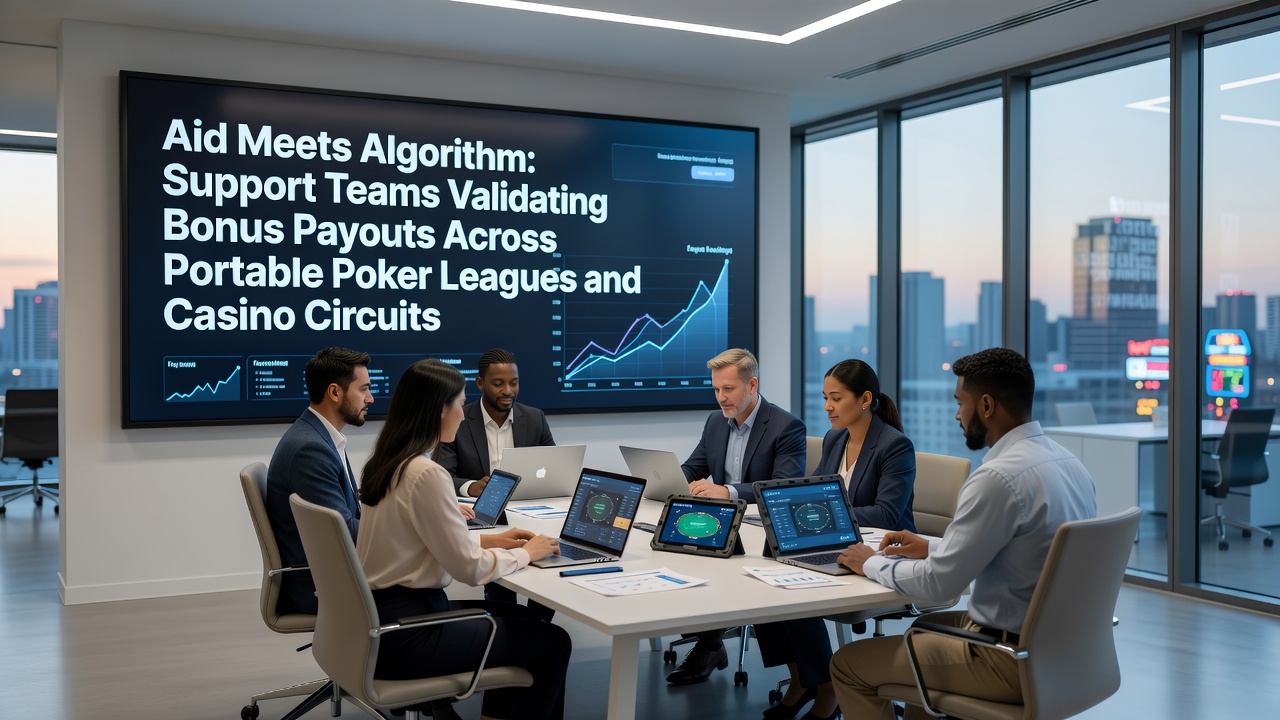
Aid Meets Algorithm: Support Teams Validating Bonus Payouts Across Portable Poker Leagues and Casino Circuits
Support teams in portable poker leagues and casino circuits now coordinate with automated systems to verify bonus payouts, and this collaboration shapes how funds reach players across mobile devices. Algorithms first scan transaction patterns, account histories, and eligibility criteria before routing uncertain cases to human reviewers who examine details like device location, play duration, and prior redemptions.
Algorithmic Screening Processes in Mobile Environments
Systems deployed by operators in portable poker leagues flag anomalies such as repeated bonus claims from the same IP range or mismatched geolocation data, while casino circuits apply similar filters to slot and table game promotions that trigger during live events. Data from the Nevada Gaming Control Board shows these automated checks handle the majority of routine validations within seconds, yet complex cases involving cross-platform activity require additional input from support staff who access integrated dashboards displaying real-time player metrics.
Observers note that synchronization between reward triggers and digital payout networks has tightened since early 2025, with platforms now routing flagged bonus requests through layered verification that combines machine learning outputs and manual audits. Teams in August 2026 report handling increased volumes during major tournament windows, where portable leagues overlap with casino circuit promotions that offer combined incentives for multi-game participation.
Human Oversight in Validation Workflows
Support personnel examine documentation and behavioral indicators when algorithms detect inconsistencies, such as sudden spikes in wager amounts that align wth bonus activation thresholds. They cross-reference server logs, payment processor records, and session timestamps to confirm whether a claim meets published terms before authorizing release. Research from the University of Nevada's gaming studies unit indicates that hybrid models reduce error rates compared to fully automated setups, particularly when players move between poker tables on mobile apps and casino floor terminals linked to the same loyalty accounts.
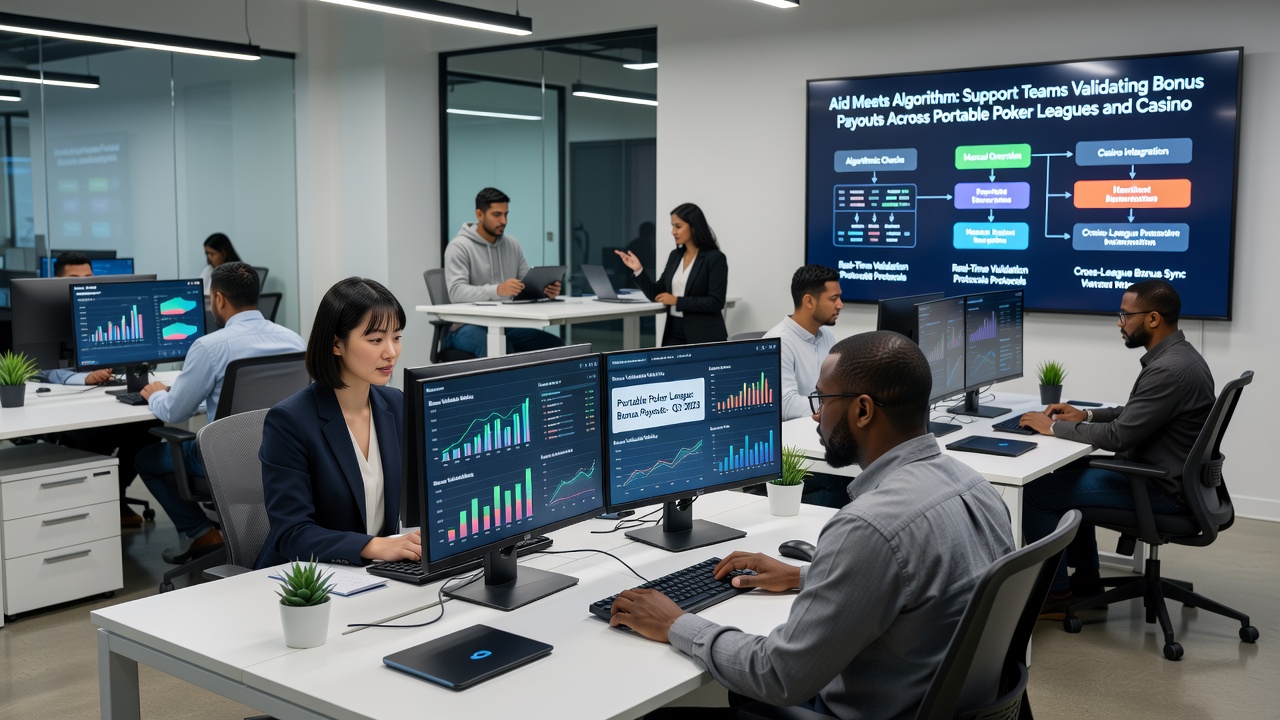
Those who manage these operations describe workflows that begin with algorithmic triage, move to targeted queries sent via secure messaging, and conclude with ledger updates once clearance is granted. In portable poker settings, this process often occurs during active hands where timing affects table dynamics, whereas casino circuits allow slightly longer windows because physical venue constraints limit simultaneous claims.
Integration Across Leagues and Circuits in August 2026
Portable poker leagues have expanded their reach through partnerships with established casino operators, creating shared databases that track bonus usage across both environments. When a player redeems a tournament entry bonus on a mobile device and then participates in a casino-linked satellite event, support teams monitor the combined trail to prevent double-dipping. Figures released by the American Gaming Association reveal that coordinated validation efforts processed over 2.4 million bonus-related transactions in the first half of 2026, with portable platforms accounting for a growing share.
Payment flows now incorporate live data streams that connect promotional credits directly to event outcomes, allowing algorithms to pause disbursements until support confirms no rule violations occurred. This approach maintains compliance with regional standards while accommodating the fluid movement of players between digital leagues and physical circuits.
Conclusion
Validation of bonus payouts in portable poker leagues and casino circuits relies on continuous interplay between algorithmic filters and human judgment, and this structure supports accurate fund distribution as platforms evolve through 2026. Teams continue refining coordination methods to match the pace of mobile activity, ensuring that incentive structures align with transaction records and regulatory expectations across jurisdictions.